Bridging Generational Gaps: Uniting Age Groups in U.S. Communities
Navigating Generational Gaps: 4 Effective Programs Uniting Different Age Groups in U.S. Communities Since January 2026
In an increasingly diverse society, the concept of generational unity programs has never been more critical. As communities across the United States continue to evolve, the need to foster understanding, collaboration, and mutual respect among different age groups becomes paramount. Since January 2026, a wave of innovative programs has emerged, specifically designed to bridge these gaps, creating stronger, more cohesive, and resilient communities. This article delves into four exemplary initiatives that are successfully uniting different age groups, highlighting their impact and offering insights into their success.
The Imperative of Generational Unity Programs
The term ‘generational gap’ often conjures images of differing values, communication styles, and technological aptitudes. While these distinctions exist, they also present unique opportunities for growth and mutual enrichment. When different generations interact purposefully, they can share invaluable knowledge, skills, and perspectives. Seniors can offer wisdom, historical context, and life experience; middle-aged adults can provide mentorship and practical guidance; younger adults bring fresh ideas, technological proficiency, and innovative approaches; and children infuse energy and a unique outlook. The challenge, historically, has been creating structured environments where these interactions can flourish naturally and effectively.
Recognizing this, many U.S. communities have initiated targeted generational unity programs. These programs are not merely about bringing people together; they are about designing meaningful engagements that break down stereotypes, build empathy, and cultivate a shared sense of community. The benefits extend beyond individual participants, impacting the entire social fabric by enhancing civic engagement, reducing social isolation, and promoting a more inclusive understanding of community identity. The initiatives launched since January 2026 demonstrate a heightened awareness of these benefits and a commitment to sustained, impactful intergenerational efforts.
The success of these programs often hinges on several key factors: clear objectives, engaging activities, dedicated facilitators, and strong community buy-in. They move beyond superficial interactions, aiming for deep, sustained connections that leave a lasting positive imprint on participants and the wider community. By focusing on shared interests, mutual learning, and collaborative projects, these programs transform potential divides into powerful bridges.
Program 1: The ‘Wisdom Weavers’ Mentorship Network
One of the most impactful generational unity programs to emerge recently is the ‘Wisdom Weavers’ Mentorship Network, launched in several urban and rural areas across the Midwest. This program specifically pairs retired professionals and active seniors with high school and college students seeking guidance in career development, academic pursuits, and life skills. The initiative, which began its pilot phase in January 2026, aims to leverage the vast experience of older generations to empower younger ones.
Participants meet weekly, either in person at community centers or virtually, engaging in structured discussions, project collaborations, and one-on-one mentorship sessions. For example, a retired engineer might mentor a high school student interested in STEM fields, helping them with complex math problems or advising on college applications. Similarly, a senior with a rich background in community organizing might guide a college student in developing a local volunteer project.
Key Features and Impact:
- Structured Pairing: Mentees and mentors are carefully matched based on interests, career aspirations, and personality traits, ensuring compatibility and productive relationships.
- Skill Transfer: Beyond career advice, mentors often teach practical life skills, from budgeting to effective communication, which are invaluable for younger participants.
- Reduced Isolation: For seniors, the program offers a renewed sense of purpose and social connection, combating loneliness and keeping their minds active. Many report feeling re-energized by the youthful perspectives of their mentees.
- Enhanced Academic and Career Outcomes: Students involved in ‘Wisdom Weavers’ have shown improved academic performance, increased confidence in their career choices, and a broader understanding of various professional paths.
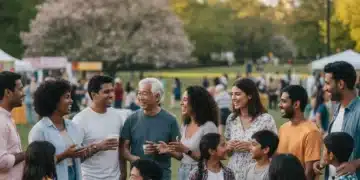
- Community Building: The program hosts quarterly ‘Unity Forums’ where all participants, along with community leaders, gather to share experiences, celebrate achievements, and discuss local issues, further strengthening intergenerational bonds.
The ‘Wisdom Weavers’ Network exemplifies how formal mentorship can serve as a powerful catalyst for generational unity programs, creating a symbiotic relationship where both older and younger generations benefit immensely. Its success has led to plans for expansion into other regions, demonstrating a scalable model for intergenerational engagement.
Program 2: ‘Storytellers & Scholars’ Literacy Initiative
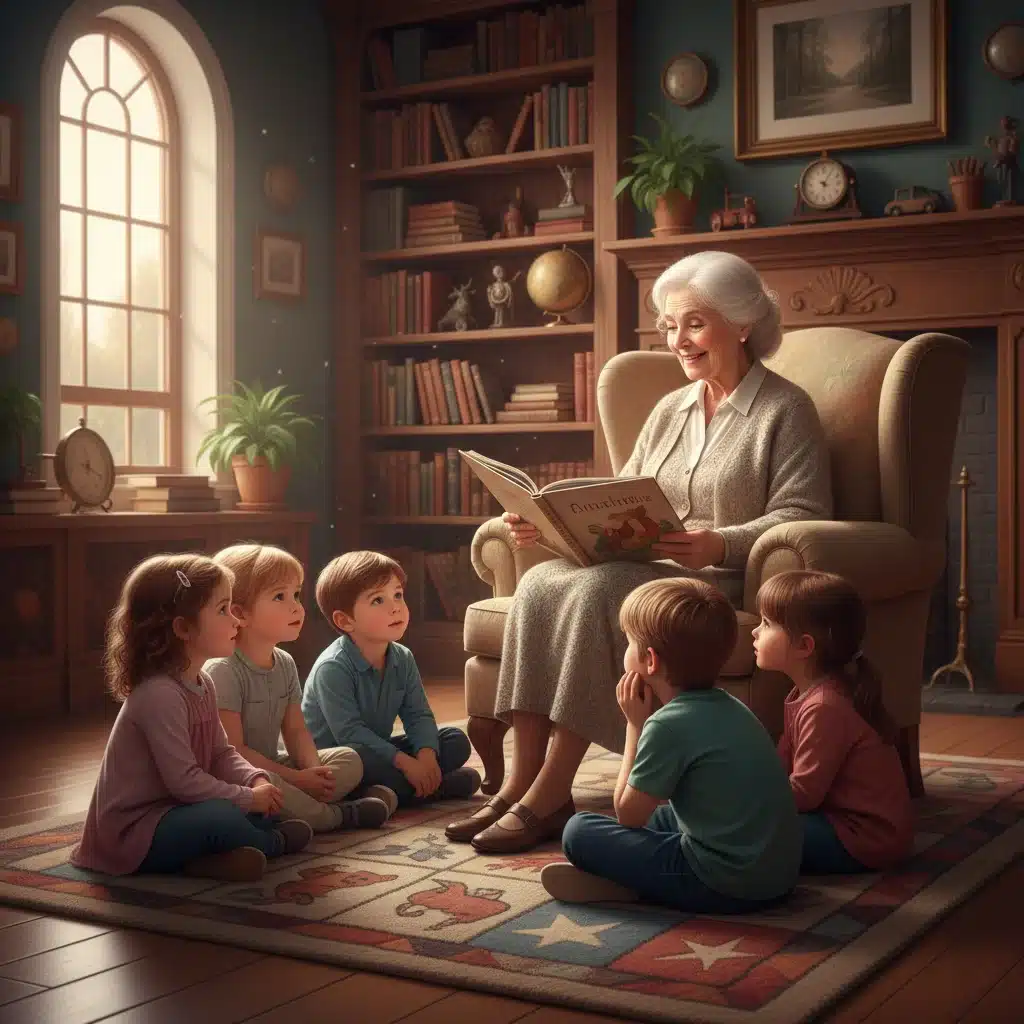
Operating primarily in low-income urban neighborhoods and rural communities in the Southern U.S. since February 2026, the ‘Storytellers & Scholars’ Literacy Initiative focuses on improving literacy rates among elementary school children while simultaneously engaging seniors in meaningful volunteer work. This program is a beautiful example of how generational unity programs can address multiple societal needs simultaneously.
Retired teachers, librarians, and other passionate seniors volunteer their time to read to children, help with homework, and lead creative writing workshops in schools and local libraries. The program emphasizes personalized attention, with seniors often working one-on-one or with small groups of children, fostering a nurturing and supportive learning environment.
Key Features and Impact:
- Literacy Enhancement: Children receive individualized reading support, leading to significant improvements in reading comprehension, vocabulary, and overall academic performance.
- Emotional Support: The consistent presence of caring senior volunteers provides children with additional emotional support and a positive adult role model, which can be particularly beneficial for those from challenging home environments.
- Purpose for Seniors: Seniors gain a renewed sense of purpose and belonging. Many volunteers express profound satisfaction in contributing to the educational development of younger generations and feeling valued by their community.
- Cultural Exchange: Through storytelling and shared reading, both generations learn about different perspectives, historical contexts, and cultural nuances, enriching their understanding of the world.
- Community Hub Creation: The program often transforms libraries and school common areas into vibrant intergenerational hubs, increasing community engagement and resource utilization.
‘Storytellers & Scholars’ highlights the powerful role that shared learning and cultural exchange play in effective generational unity programs. By focusing on a fundamental skill like literacy, it creates a common ground for interaction that yields profound educational and social benefits for all involved.
Program 3: ‘Digital Bridges’ Tech Exchange
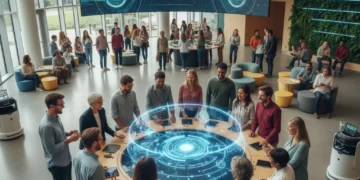
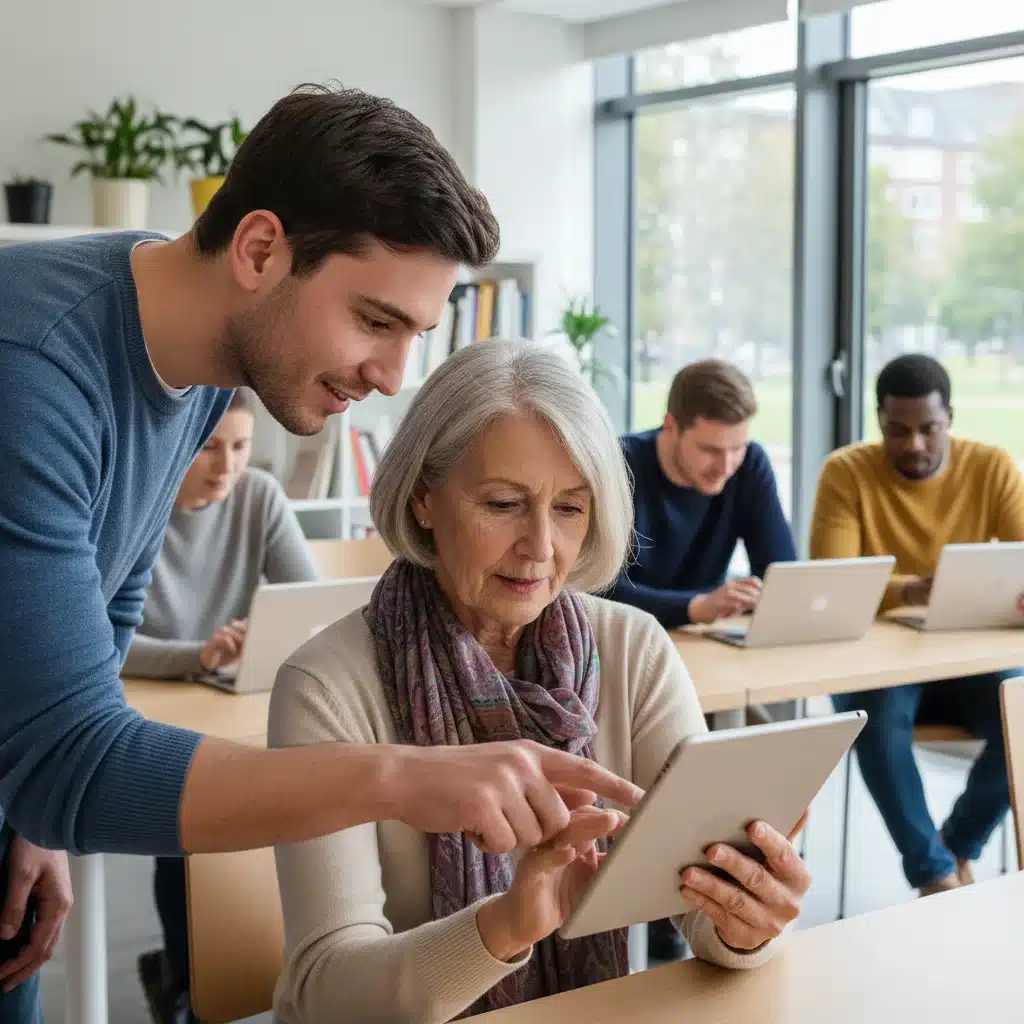
In response to the growing digital divide affecting older adults, the ‘Digital Bridges’ Tech Exchange was launched in technology-forward cities on the West Coast and Northeast in March 2026. This innovative program pairs tech-savvy teenagers and young adults with seniors who wish to improve their digital literacy. It’s a prime example of how generational unity programs can address contemporary challenges through mutual learning.
The program offers workshops and one-on-one tutoring sessions where young people teach seniors how to navigate smartphones, use social media, send emails, conduct online banking, and even explore telehealth options. These sessions are held at local libraries, community centers, and sometimes even at senior living facilities, making technology accessible and demystifying it for older participants.
Key Features and Impact:
- Reversed Mentorship: Young people become the teachers, empowering them with leadership skills and a sense of contribution, while seniors gain essential digital skills.
- Enhanced Connectivity: Seniors learn to connect with family and friends online, access important information, and engage with online communities, significantly reducing social isolation.
- Mutual Respect: The program fosters mutual respect as younger participants appreciate the seniors’ eagerness to learn, and seniors admire the patience and expertise of their young instructors.
- Practical Skill Development: Beyond basic tech, some sessions delve into cybersecurity awareness and online safety, equipping seniors with crucial knowledge to navigate the digital world securely.
- Breaking Stereotypes: Both generations often arrive with preconceived notions about the other, which are quickly dispelled through hands-on, collaborative learning experiences.
The ‘Digital Bridges’ Tech Exchange demonstrates that generational unity programs can effectively tackle modern challenges by leveraging the unique strengths of each age group. It not only closes the digital divide but also builds powerful bonds of understanding and appreciation between the tech-native and the tech-novice generations.
Program 4: ‘Green Thumbs & Growing Minds’ Community Gardens
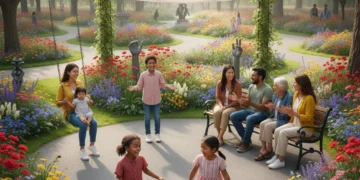
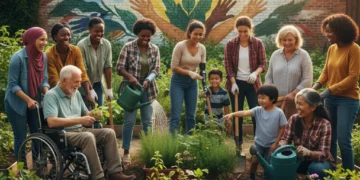
Initiated in April 2026 in various suburban and semi-rural communities across the Pacific Northwest and New England, the ‘Green Thumbs & Growing Minds’ program is a vibrant example of how generational unity programs can thrive through shared outdoor activities. This initiative brings together individuals of all ages to design, plant, and maintain community gardens.
From planning the garden layout to harvesting vegetables and flowers, participants collaborate on every aspect of gardening. Seniors often share their extensive knowledge of horticulture and local ecosystems, while younger participants contribute physical labor, fresh ideas for sustainable practices, and enthusiasm. The produce harvested is often shared among participants, donated to local food banks, or sold at community markets to fund garden expansion.
Key Features and Impact:
- Shared Purpose: Working towards a common goal of nurturing a garden fosters strong bonds and a sense of collective achievement among participants of diverse ages.
- Knowledge Transfer: Traditional gardening techniques are passed down from older generations, while younger participants introduce modern sustainable practices, creating a rich learning environment.
- Physical Activity and Mental Well-being: Outdoor activity is beneficial for all ages, promoting physical health and reducing stress. The act of nurturing plants can also be deeply therapeutic.
- Food Security and Education: The program contributes to local food security and educates participants about healthy eating, sustainable agriculture, and environmental stewardship.
- Community Hub: The community garden becomes a natural gathering place, encouraging spontaneous interactions, celebrations of harvests, and year-round engagement, solidifying its role as a central pillar of generational unity programs.
‘Green Thumbs & Growing Minds’ illustrates the power of nature and shared responsibility in cultivating intergenerational connections. It’s a holistic approach that not only yields tangible produce but also harvests invaluable community spirit and understanding.
The Future of Generational Unity Programs
The success stories of ‘Wisdom Weavers,’ ‘Storytellers & Scholars,’ ‘Digital Bridges,’ and ‘Green Thumbs & Growing Minds’ provide compelling evidence that dedicated generational unity programs are not only possible but also profoundly beneficial. These initiatives, all launched since January 2026, represent a new era of intentional community building, recognizing the immense value in connecting people across the age spectrum.
As we look to the future, it is clear that more communities will likely adopt similar models. The lessons learned from these pioneering programs are invaluable: the importance of clear objectives, activities that appeal to diverse age groups, dedicated facilitators, and a strong emphasis on mutual learning and respect. Furthermore, the integration of technology, whether as a tool for connection or a subject of learning, will continue to play a crucial role in the evolution of these programs.
The long-term impact of such initiatives is multifaceted. They contribute to healthier aging by keeping seniors engaged and purposeful. They enrich the educational and social development of younger generations. They foster greater empathy and understanding, breaking down ageist stereotypes that can divide communities. Ultimately, generational unity programs are fundamental to building more resilient, compassionate, and interconnected societies where every individual, regardless of age, feels valued and has a vital role to play.
Investing in these types of programs is an investment in the social capital of a community. It strengthens the bonds that tie us together, creating a tapestry of shared experiences and mutual support that can withstand the challenges of a rapidly changing world. As these four programs continue to flourish and inspire, they pave the way for a future where generational divides are replaced by vibrant, intergenerational collaborations.