Sustainable Fashion Trends 2026: Build a Conscious Wardrobe & Extend Clothing Lifespan
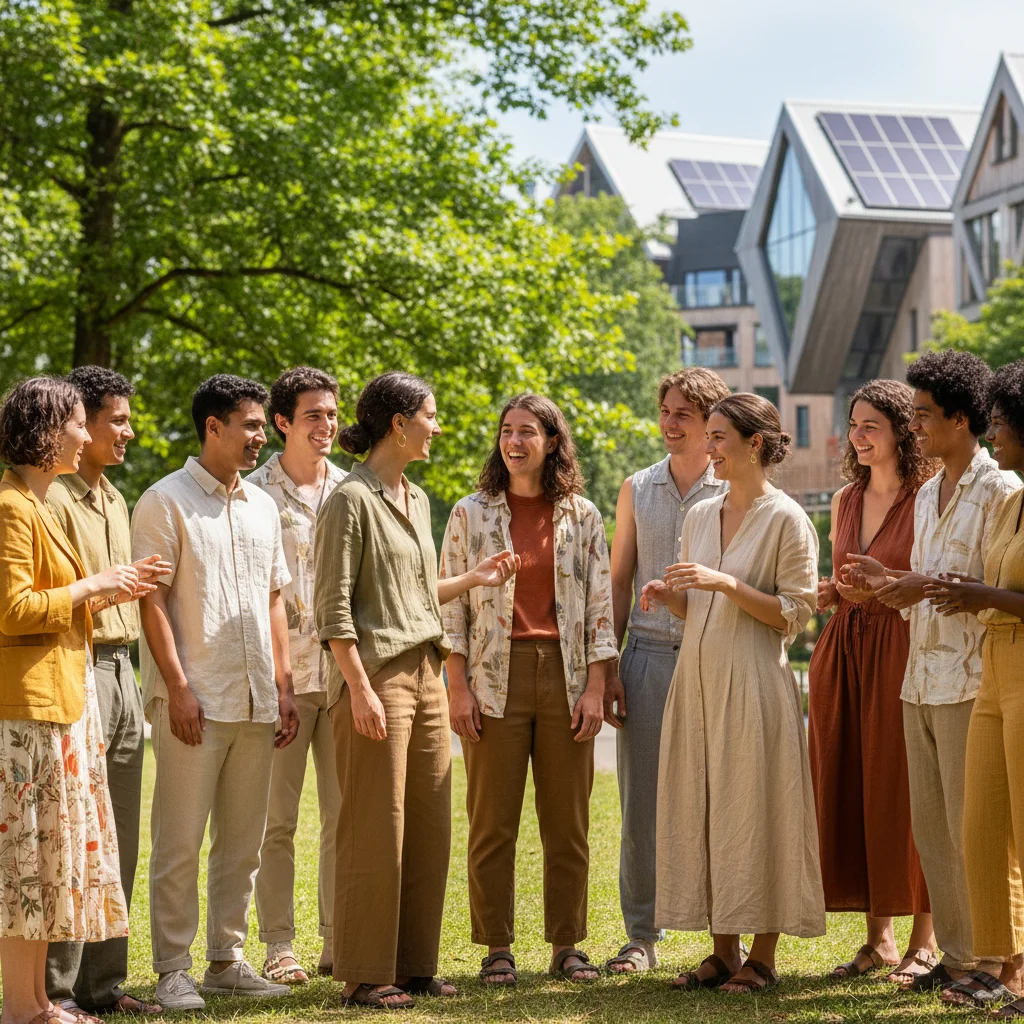
The fashion industry stands at a pivotal crossroads. For decades, the allure of fast fashion has dominated consumer habits, leading to unprecedented levels of waste, pollution, and ethical concerns. However, as awareness grows and climate change impacts become undeniable, a powerful shift towards responsible consumption is underway. By 2026, sustainable fashion will no longer be a niche concept but a mainstream imperative, with US consumers playing a crucial role in shaping this greener future. This comprehensive guide delves into the transformative sustainable fashion 2026 trends, offering actionable strategies to build a conscious wardrobe and, crucially, extend the lifespan of your clothing by an impressive 50%.
The Urgent Need for Sustainable Fashion
Before we dive into the exciting trends of 2026, it’s essential to understand the profound impact of our fashion choices. The current linear model of ‘take-make-dispose’ is unsustainable. Textile production is incredibly resource-intensive, consuming vast amounts of water and energy, and often relying on harmful chemicals. Furthermore, the sheer volume of clothing discarded annually is staggering. Landfills are overflowing with textiles, many of which could have been repurposed, recycled, or simply worn longer. This environmental toll is exacerbated by social issues, including exploitative labor practices in manufacturing regions.
The good news is that consumers are increasingly aware of these challenges. A growing number of individuals are actively seeking alternatives, demanding transparency, ethical production, and eco-friendly materials. This consumer-driven demand is fueling innovation and driving brands, both large and small, to adopt more sustainable practices. The shift towards sustainable fashion 2026 represents a collective commitment to a healthier planet and a more equitable society.
Defining Sustainable Fashion in 2026
What exactly does sustainable fashion entail in the context of 2026? It’s a multifaceted concept encompassing the entire lifecycle of a garment, from its raw materials and design to its production, transportation, use, and eventual disposal. Key pillars include:
- Eco-Friendly Materials: Prioritizing organic, recycled, upcycled, and innovative bio-based fabrics.
- Ethical Production: Ensuring fair wages, safe working conditions, and no child labor throughout the supply chain.
- Reduced Waste: Minimizing textile waste in production and encouraging consumers to extend garment life.
- Circular Economy Principles: Designing products for longevity, repairability, and recyclability, closing the loop on textile waste.
- Transparency: Brands openly sharing information about their supply chains and environmental impact.
- Water and Energy Conservation: Implementing practices that reduce the consumption of these vital resources.
- Chemical Management: Eliminating or significantly reducing the use of harmful chemicals in dyeing and finishing processes.
By embracing these principles, the sustainable fashion 2026 movement aims to transform the industry into a force for good, benefiting both people and the planet.
Key Sustainable Fashion Trends for 2026
The landscape of sustainable fashion 2026 is vibrant and dynamic, driven by technological advancements, changing consumer values, and increasing regulatory pressure. Here are the most impactful trends to watch:
1. The Rise of Regenerative Materials
Beyond organic and recycled, 2026 will see a significant push towards regenerative materials. These are not just sustainable; they actively improve the environment. Think cotton grown using regenerative agricultural practices that restore soil health, sequester carbon, and enhance biodiversity. Materials derived from algae, mushrooms (mycelium), and agricultural waste will also become more prevalent, offering innovative alternatives to traditional fabrics with a lower environmental footprint.
2. Circularity as the New Norm
The concept of a circular economy will be at the heart of sustainable fashion 2026. This means designing garments with their end-of-life in mind. Brands will increasingly offer take-back programs for old clothing, facilitating repair, resale, or recycling. Textile-to-textile recycling technologies will mature, allowing old garments to be broken down and spun into new fibers, significantly reducing reliance on virgin resources and minimizing landfill waste. Consumers will actively seek out brands committed to these circular practices.
3. Digital Fashion and Virtual Wardrobes
While seemingly futuristic, digital fashion is already gaining traction and will be a notable trend by 2026. This involves creating and ‘wearing’ clothing in virtual spaces, such as social media, gaming, and the metaverse. For fashion enthusiasts, this offers a creative outlet without the physical environmental impact of producing new garments. It can also reduce the desire for constant physical consumption, thereby contributing to a more sustainable fashion ecosystem.
4. Hyper-Localization and On-Demand Production
To reduce carbon emissions from transportation and avoid overproduction, sustainable fashion 2026 will lean towards hyper-localization. This means manufacturing closer to the point of sale, often with smaller, more agile production runs. On-demand manufacturing, where garments are only produced once an order is placed, will also become more sophisticated, significantly cutting down on unsold inventory and associated waste.
5. Transparency and Traceability
Consumers in 2026 will demand unprecedented transparency from brands. Blockchain technology and other digital tools will enable full traceability of garments, from fiber to finished product. Shoppers will be able to scan QR codes on clothing labels to learn about the origin of materials, manufacturing conditions, and even the environmental impact of their purchase. This level of transparency empowers consumers to make truly informed and sustainable fashion choices.
6. The Resurgence of Craftsmanship and Durability
Moving away from disposable fashion, there will be a renewed appreciation for quality, craftsmanship, and durability. Consumers will invest in well-made pieces designed to last, rather than constantly buying new, cheaper items. This trend is intrinsically linked to extending clothing lifespan, a core goal of sustainable fashion 2026. Brands focusing on timeless designs, robust construction, and repair services will gain significant market share.
How US Consumers Can Build a Conscious Wardrobe in 2026
Building a conscious wardrobe is an empowering journey that aligns with the principles of sustainable fashion 2026. It’s about intentional choices that reflect your values without compromising on style. Here’s how US consumers can cultivate a more ethical and eco-friendly closet:
1. Embrace the ‘Buy Less, Choose Well’ Philosophy
The most impactful step is to reduce overall consumption. Instead of impulse purchases, invest in versatile, high-quality pieces that you truly love and that will stand the test of time. Think about cost per wear rather than initial price. A well-made garment might cost more upfront but will last significantly longer, making it a more economical and sustainable fashion choice in the long run.
2. Prioritize Eco-Friendly and Ethical Brands
Do your research. Look for certifications like GOTS (Global Organic Textile Standard), Fair Trade Certified, OEKO-TEX, and B Corp. These indicate a commitment to environmental and social responsibility. Many brands now explicitly state their sustainability initiatives on their websites. Support those that align with the sustainable fashion 2026 vision.
3. Discover the Power of Secondhand and Vintage
One of the most effective ways to be sustainable is to buy pre-owned. Thrift stores, consignment shops, online resale platforms (like ThredUp, Poshmark, The RealReal), and vintage boutiques offer a treasure trove of unique and often high-quality items. This extends the life of existing garments, keeping them out of landfills and reducing the demand for new production. It’s a cornerstone of sustainable fashion 2026.
4. Explore Rental and Subscription Services
For special occasions or to experiment with new styles without committing to a purchase, clothing rental services are an excellent sustainable fashion option. Companies like Rent the Runway allow you to wear designer pieces for a fraction of the retail price, reducing the need for single-use occasion wear. Some services even offer everyday clothing subscriptions, promoting variety without ownership.
5. Invest in Timeless and Versatile Pieces
Focus on building a capsule wardrobe of classic, well-made pieces that can be mixed and matched to create numerous outfits. This reduces the need for trendy items that quickly go out of style. Neutrals, classic silhouettes, and durable fabrics form the foundation of a truly sustainable fashion wardrobe.
6. Learn About Sustainable Materials
Educate yourself on the best materials for sustainable fashion. Look for:
- Organic Cotton: Grown without harmful pesticides and synthetic fertilizers.
- Linen and Hemp: Require less water and pesticides than cotton, and are incredibly durable.
- Tencel/Lyocell: A cellulosic fiber made from wood pulp using a closed-loop system that recycles solvents.
- Recycled Polyester (rPET): Made from recycled plastic bottles, reducing plastic waste.
- Recycled Wool/Cashmere: Utilizes existing fibers, saving resources.
- Innovative Materials: Explore new options like Pinatex (pineapple leaf fiber) and fabrics made from agricultural waste.
7. Support Local Artisans and Small Businesses
Local production often means shorter supply chains, reduced transportation emissions, and a greater connection to the makers. Many small businesses prioritize ethical practices and unique, durable designs, aligning perfectly with sustainable fashion 2026 principles.
Extending Clothing Lifespan by 50%: Actionable Strategies
The most impactful way to make your wardrobe more sustainable is to simply make your clothes last longer. If every garment’s active life could be extended by just nine months, it would reduce carbon, water, and waste footprints by around 20-30%. Aiming for a 50% extension is ambitious but entirely achievable with conscious effort. Here’s how:
1. Master Proper Care and Maintenance
This is arguably the most crucial step. Many garments are ruined prematurely due to improper washing, drying, or storage. 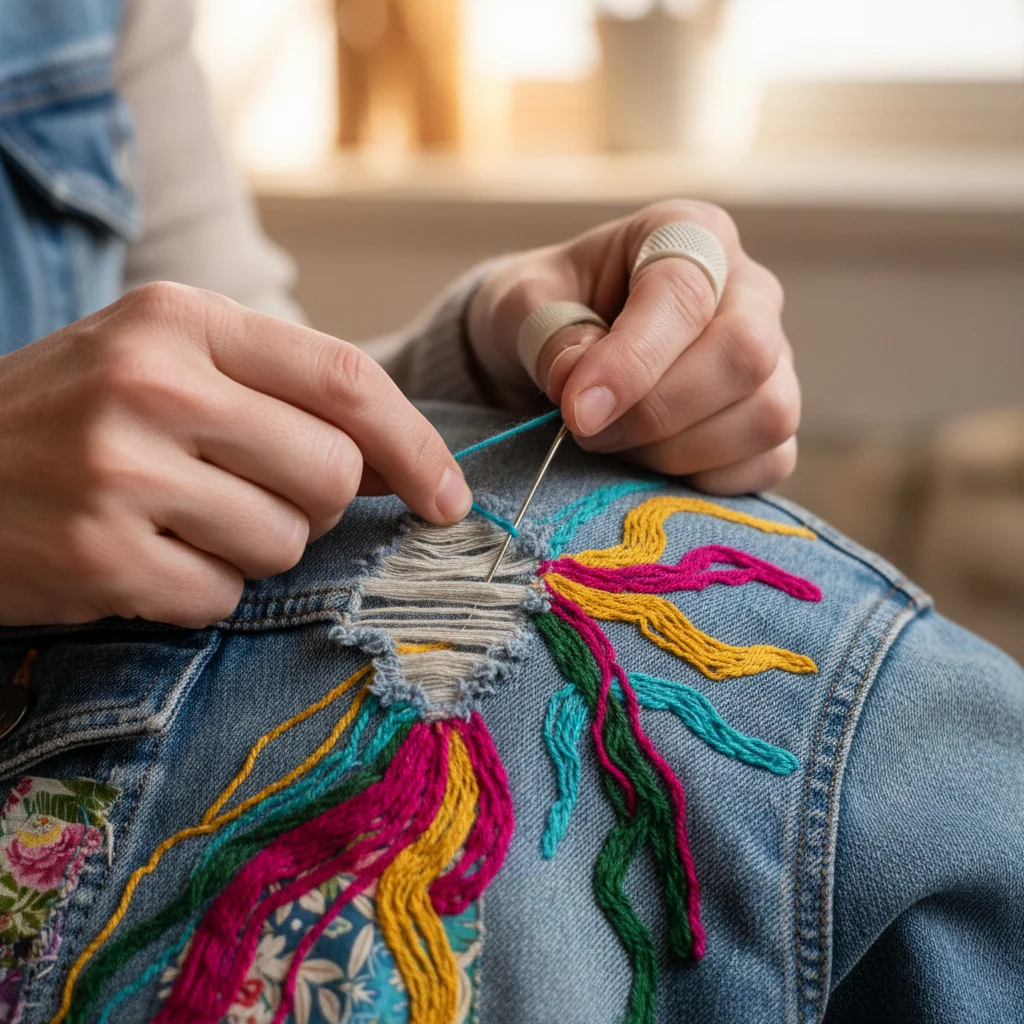
- Read Care Labels: Always follow the instructions. They are there for a reason.
- Wash Less Frequently: Unless visibly dirty, many items (like jeans or sweaters) don’t need washing after every wear. Air them out instead.
- Wash in Cold Water: Saves energy and is gentler on fabrics, preventing shrinkage and fading.
- Use Gentle Detergents: Harsh chemicals can degrade fibers over time.
- Hand Wash Delicates: Lingerie, silk, and other delicate items benefit from gentle hand washing.
- Air Dry When Possible: Tumble dryers consume a lot of energy and can be harsh on fabrics, causing them to wear out faster. Hang drying extends life and saves energy.
- Store Properly: Fold sweaters to prevent stretching, hang shirts on appropriate hangers, and store seasonal items in breathable garment bags. Protect clothes from moths and direct sunlight.
2. Learn Basic Repair Skills
A small tear or a loose button doesn’t have to mean the end of a garment’s life. Learning basic mending skills is empowering and cost-effective. Online tutorials can teach you how to:
- Sew on a button
- Mend a seam
- Patch a small hole
- Darn a sock
- Replace a zipper (or take it to a tailor)
Embrace ‘visible mending’ – where repairs become a decorative feature, adding character and a unique story to your clothes. This trend aligns perfectly with the sustainable fashion 2026 ethos of valuing and extending what you own.
3. Alter and Tailor for a Perfect Fit
Clothing that fits well looks better and is more likely to be worn. Don’t discard an item just because it’s a little too long, too loose, or needs a minor adjustment. A local tailor can work wonders, transforming ill-fitting garments into cherished pieces. This is an investment in longevity and personal style, a key component of a conscious wardrobe.
4. Repurpose and Upcycle
When a garment is truly beyond its original use, consider giving it a new life. An old pair of jeans can become shorts, a skirt, or even a tote bag. T-shirts can be cut into cleaning rags. Get creative! Upcycling breathes new life into textiles, preventing them from ending up in landfills and contributing to the circular goals of sustainable fashion 2026.
5. Proper Disposal and Recycling
If an item genuinely cannot be repaired, repurposed, or donated, ensure it is disposed of responsibly. Many communities have textile recycling programs. Check with your local waste management services or look for specialized textile recycling bins. Some brands also offer take-back programs for their old garments, ensuring they are properly recycled. 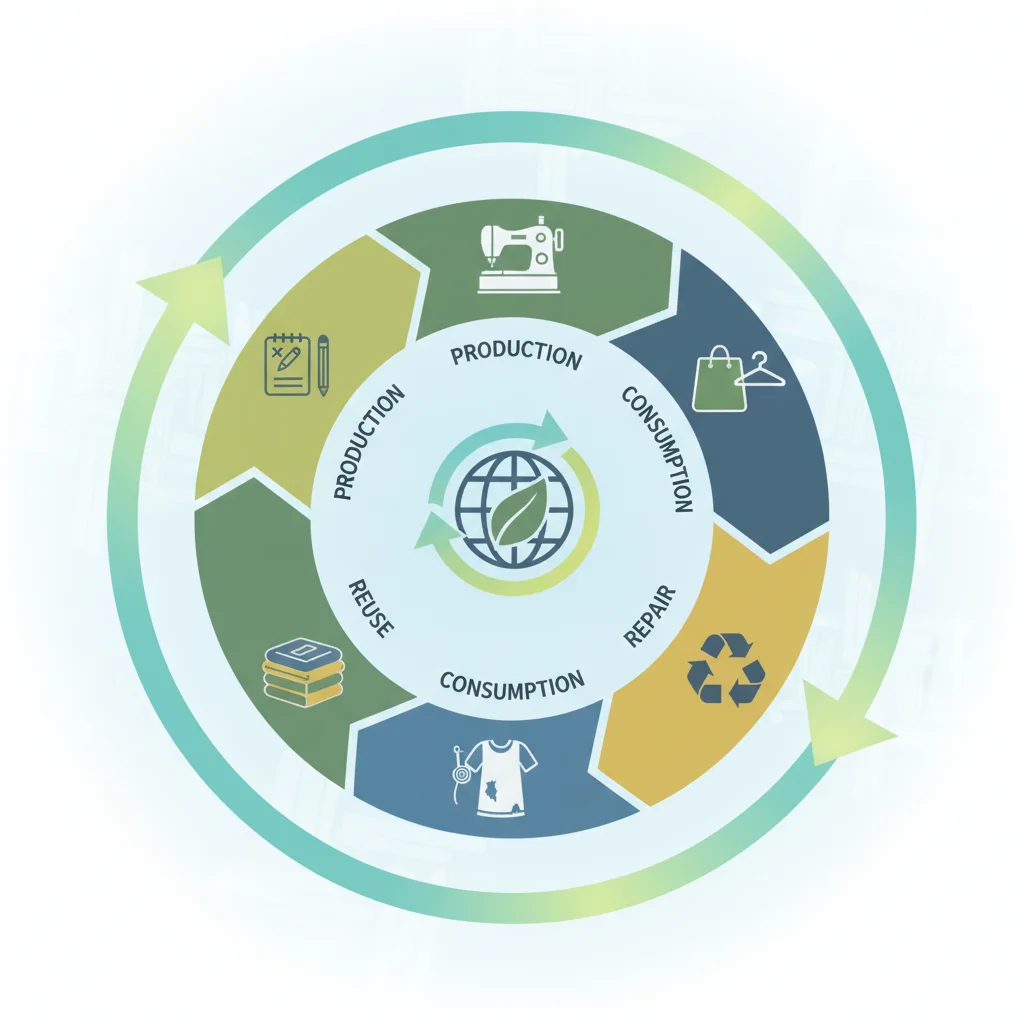
The Economic Benefits of a Sustainable Wardrobe
Beyond the environmental and ethical advantages, embracing sustainable fashion 2026 offers significant economic benefits for US consumers. By shifting away from fast fashion’s constant consumption cycle, you can save a substantial amount of money in the long run. Investing in higher-quality, durable pieces, even if they have a higher initial cost, reduces the need for frequent replacements. Learning to care for and repair your clothes also means fewer purchases and less money spent on new items. The secondhand market allows access to quality clothing at a fraction of the retail price. Ultimately, a conscious wardrobe is not just good for the planet; it’s good for your wallet too, fostering a more mindful and financially savvy approach to personal style.
Challenges and the Path Forward
While the future of sustainable fashion 2026 looks promising, challenges remain. Greenwashing, where brands mislead consumers about their environmental efforts, is a persistent issue. The cost of truly sustainable materials and ethical production can sometimes be higher, making sustainable options less accessible to all income brackets. Scaling up new technologies like textile-to-textile recycling also requires significant investment and infrastructure.
However, these challenges are not insurmountable. Increased consumer demand for transparency and accountability will push brands to be more genuine in their sustainability claims. Technological advancements are continually making sustainable production more efficient and affordable. Government policies and regulations can help level the playing field, incentivizing sustainable practices and discouraging harmful ones. As US consumers, our collective choices have immense power to drive this positive change, making sustainable fashion 2026 a reality for everyone.
Conclusion: A Greener, More Stylish Future
The journey towards a truly sustainable fashion industry is ongoing, but the trends for 2026 indicate a significant acceleration. From regenerative materials and circular models to a renewed emphasis on craftsmanship and repair, the future of fashion is one that prioritizes people and the planet. By adopting the strategies outlined in this guide, US consumers can not only embrace these exciting sustainable fashion 2026 trends but also actively contribute to extending the lifespan of their clothing by 50% or more. Building a conscious wardrobe is a powerful act of environmental stewardship, a commitment to ethical consumption, and a path to a more meaningful and stylish personal expression. It’s time to dress with purpose, knowing that every choice contributes to a brighter, more sustainable future for fashion and beyond.