Zero-Waste Stores US: Bulk Goods & Packaging Reduction
The Rise of Zero-Waste Stores Across the US in 2026: How to Access Bulk Goods and Reduce Packaging by 70%
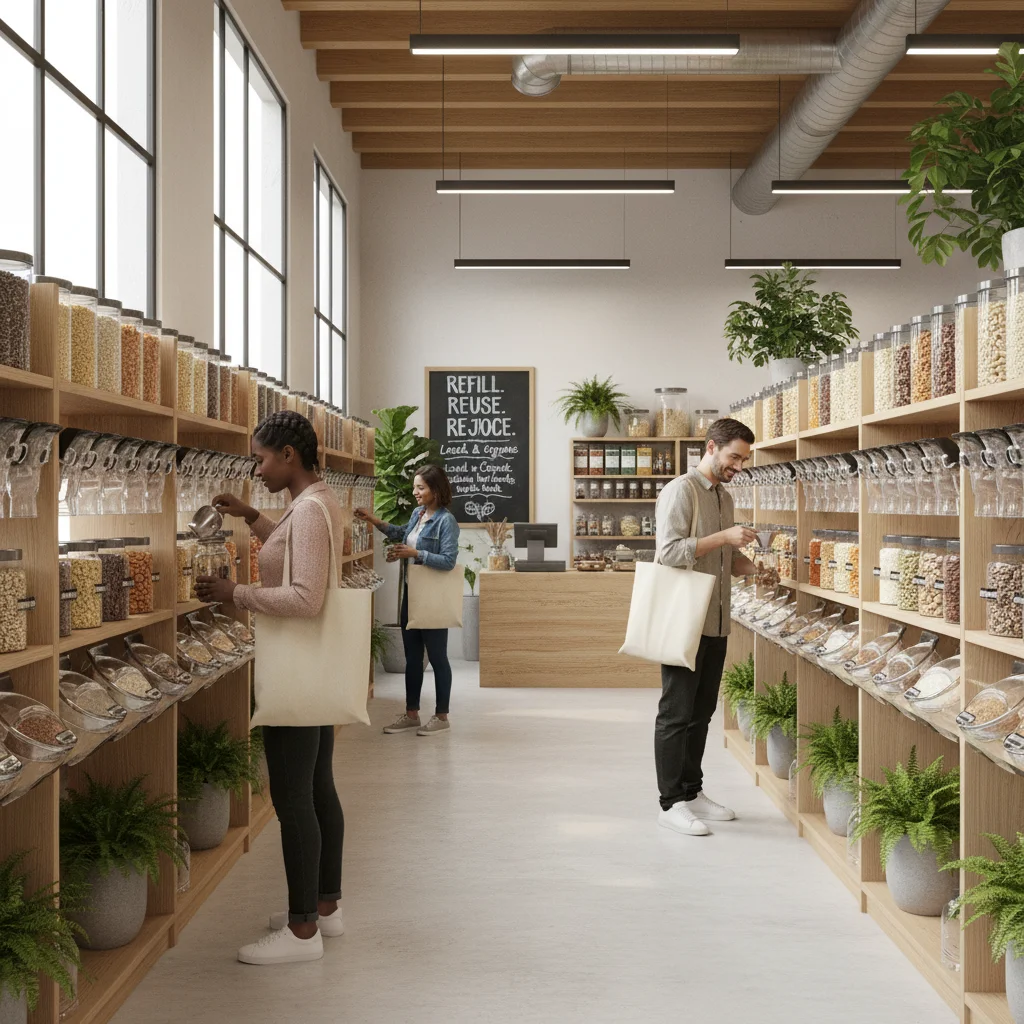
The year is 2026, and the landscape of retail is undergoing a profound transformation. What was once a niche movement championed by dedicated environmentalists has now blossomed into a mainstream phenomenon: the widespread adoption of zero-waste stores US. These innovative retail spaces are not just places to shop; they are hubs for sustainable living, empowering consumers to drastically reduce their environmental footprint, particularly when it comes to packaging waste. The promise of accessing high-quality bulk goods and cutting personal packaging waste by an astonishing 70% is no longer a distant dream but a tangible reality for millions of Americans.
For too long, our consumption habits have been tethered to a linear economy: take, make, use, dispose. This model has led to an unprecedented accumulation of waste, with plastic packaging being a particularly egregious offender. Landfills overflow, oceans choke, and microplastics permeate every corner of our planet, including our own bodies. The urgency for change has never been clearer, and the market has responded with remarkable agility, giving rise to a new generation of zero-waste stores US. These establishments are at the forefront of a circular economy, advocating for reuse, refill, and reduction as core tenets of responsible consumption.
This comprehensive guide will delve into the burgeoning world of zero-waste stores across the United States. We will explore their operational models, the diverse range of products they offer, the significant environmental impact they facilitate, and practical tips for integrating zero-waste shopping into your daily routine. Whether you’re a seasoned eco-warrior or just beginning your sustainability journey, understanding the power and potential of zero-waste stores is crucial for building a greener future.
The Philosophy Behind Zero-Waste Shopping: More Than Just Refills
At its core, the zero-waste movement is about conscious consumption. It’s a holistic approach to minimizing waste at every stage of a product’s life cycle, from production to disposal. Zero-waste stores US embody this philosophy by offering products without unnecessary packaging, encouraging customers to bring their own containers, and often sourcing goods ethically and locally. This isn’t merely about refilling a jar; it’s about rethinking our relationship with resources.
The five Rs of zero waste – Refuse, Reduce, Reuse, Rot (compost), and Recycle – form the bedrock of this philosophy. Zero-waste stores primarily focus on the first three, particularly ‘Reduce’ and ‘Reuse.’ By allowing customers to buy precisely the amount they need, these stores help reduce food waste, a significant contributor to greenhouse gas emissions. Furthermore, by eliminating single-use packaging, they directly tackle the plastic crisis. The average American generates over 5 pounds of waste per day, much of which is packaging. Imagine cutting that down significantly just by changing where and how you shop!
Beyond the practicalities, zero-waste shopping fosters a deeper connection to our food and household products. When you hand-select your grains, spices, or cleaning supplies, you become more aware of their origins and ingredients. This intentionality can lead to healthier choices and a greater appreciation for the resources we consume. It’s a return to a more mindful way of living, reminiscent of traditional markets before the advent of mass-produced, pre-packaged goods.
The Growth Trajectory: Why 2026 is a Pivotal Year for Zero-Waste Stores
The past decade has seen a steady increase in environmental awareness, fueled by alarming scientific reports and a growing public outcry against plastic pollution. This heightened consciousness has translated into tangible shifts in consumer behavior and market trends. While zero-waste stores existed in nascent forms before, 2026 marks a critical juncture where their presence becomes undeniable and deeply integrated into urban and suburban landscapes across the US.
Several factors converge to accelerate this growth. Firstly, government initiatives and corporate sustainability pledges are creating a more favorable environment. Cities and states are implementing plastic bans and encouraging eco-friendly businesses through incentives. Secondly, supply chains are adapting. Manufacturers are increasingly offering bulk options to retailers, recognizing the growing demand for unpackaged goods. This makes it easier for zero-waste stores US to stock a diverse inventory.
Thirdly, technology plays a crucial role. Online directories and apps make it easier for consumers to locate their nearest zero-waste store, plan their shopping trips, and even track their packaging reduction. Social media platforms amplify the message, inspiring more individuals to embrace the lifestyle. Finally, the economic benefits are becoming clearer. While the initial investment in reusable containers might seem daunting, buying in bulk often proves more cost-effective in the long run, as consumers are not paying for expensive packaging. This financial incentive, coupled with environmental benefits, makes zero-waste shopping an increasingly attractive proposition for a broader demographic.
What You Can Find at a Zero-Waste Store: A World of Bulk Possibilities
Gone are the days when zero-waste stores were limited to a few obscure health food items. In 2026, these establishments boast an impressive array of products, catering to nearly every household need. The diversity of offerings is a key driver behind the widespread appeal of zero-waste stores US.
Food Items: From Pantry Staples to Gourmet Delights
The food section is typically the heart of any zero-waste store. Here, you’ll find an extensive selection of pantry staples:
- Grains and Legumes: Rice (various types), pasta, quinoa, lentils, beans, oats.
- Nuts and Seeds: Almonds, walnuts, cashews, sunflower seeds, pumpkin seeds.
- Spices and Herbs: A vast array of common and exotic spices, often at a fraction of the cost of pre-packaged alternatives.
- Oils and Vinegars: Olive oil, avocado oil, balsamic vinegar, apple cider vinegar, available for refill.
- Sweeteners: Sugar, brown sugar, maple syrup, honey, agave nectar.
- Coffee and Tea: Whole bean coffee, loose-leaf teas, often locally sourced.
- Snacks: Dried fruits, granola, pretzels, sometimes even bulk chocolate chips.
Beyond the basics, many zero-waste stores US are expanding into fresh produce, often sourced from local farms, further reducing transportation emissions and supporting local economies. Some even offer frozen goods in bulk, such as berries or vegetables, requiring customers to bring insulated containers.
Household Essentials: Cleaning Up Sustainably
The impact of packaging waste extends far beyond food. Household cleaning products, personal care items, and even pet supplies are major contributors. Zero-waste stores offer sustainable alternatives:
- Cleaning Supplies: All-purpose cleaner, dish soap, laundry detergent, fabric softener, toilet bowl cleaner, often made from natural, biodegradable ingredients.
- Personal Care: Shampoo, conditioner, body wash, hand soap, lotions, toothpaste tablets, dental floss, deodorants, and even makeup in refillable containers.
- DIY Ingredients: Borax, baking soda, citric acid, essential oils for those who prefer to make their own products.
- Reusable Tools: Bamboo toothbrushes, safety razors, washable cotton rounds, cloth napkins, beeswax wraps, reusable produce bags.
- Pet Supplies: Bulk pet food, cat litter, and pet shampoo are becoming increasingly common.
The convenience of refilling these everyday items not only saves packaging but often provides access to higher quality, chemical-free alternatives that are better for your health and the planet.
How to Shop at a Zero-Waste Store: A Step-by-Step Guide
For newcomers, the idea of shopping without packaging might seem unfamiliar, but it’s remarkably simple and rewarding. Here’s a practical guide to making your first visit to a zero-waste store US a success:
1. Gather Your Containers
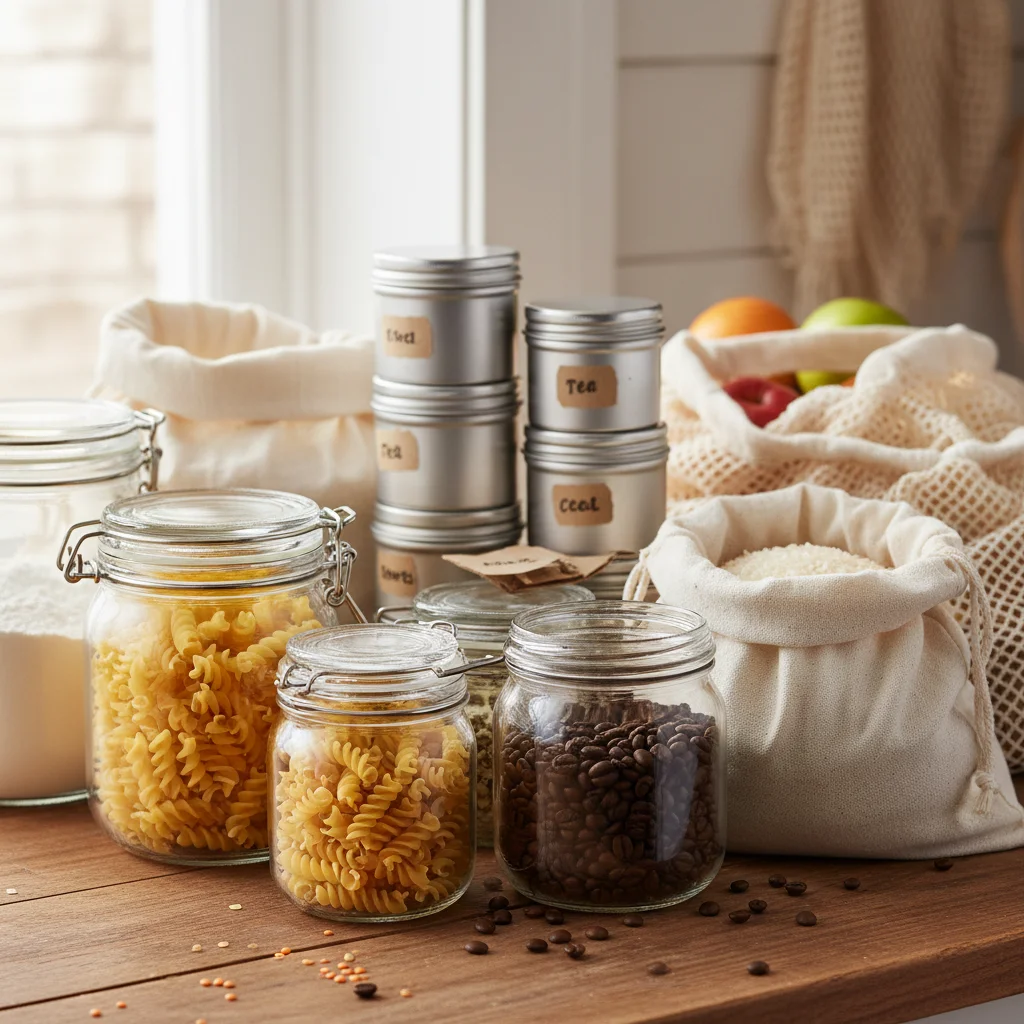
This is the most crucial step. Before you leave home, collect an assortment of clean, empty containers. This can include:
- Glass jars: Ideal for grains, nuts, spices, oils, and liquids.
- Cloth bags: Perfect for produce, bread, and lighter dry goods.
- Tupperware or plastic containers: Suitable for a variety of items.
- Bottles: For cleaning supplies, shampoo, and liquid soaps.
Don’t worry about having specialized containers initially. Start with what you have. Many stores also sell reusable containers if you need to stock up.
2. Tare Your Containers
Upon arrival at the store, your first stop will be the ‘tare station.’ Tare means the weight of an empty container. You’ll weigh each of your empty containers and write its weight on the container itself (with a washable marker or a label) or have a staff member do it for you. This ensures you only pay for the product, not the container.
3. Fill ‘Em Up!
Now for the fun part! Navigate the aisles and fill your containers with the desired products. Take only what you need to minimize waste at home. Most stores provide scoops, funnels, and pumps for easy filling. Be mindful of cross-contamination; use separate scoops for different items.
4. Weigh and Pay
Once your containers are full, head to the checkout. The cashier will weigh your filled containers, subtract the tare weight, and charge you only for the product. It’s an efficient and transparent system.
5. Repeat and Refine
With each visit, you’ll become more adept at zero-waste shopping. You’ll learn which containers work best for different items, and you’ll discover new products. Don’t strive for perfection from day one; every small step towards reducing waste makes a difference.
The Environmental Impact: Quantifying Reduction and Positive Change
The collective impact of zero-waste stores US is profound and far-reaching. By shifting consumer habits away from single-use packaging, these stores are directly contributing to a healthier planet.
Reducing Plastic Pollution
This is perhaps the most visible benefit. Plastic waste takes hundreds of years to decompose, if at all, and wreaks havoc on ecosystems. By cutting packaging by 70% or more, zero-waste shoppers prevent countless plastic bottles, bags, and containers from entering landfills and oceans. This directly mitigates the risks to wildlife, reduces the spread of microplastics, and conserves the fossil fuels used in plastic production.
Lowering Carbon Footprint
The production, transportation, and disposal of packaging all contribute to greenhouse gas emissions. By eliminating packaging, especially for bulk goods sourced locally, zero-waste stores significantly reduce the carbon footprint associated with consumer products. Less packaging means less manufacturing energy, less transportation weight, and less waste management energy.
Conserving Resources
Beyond plastics, zero-waste principles extend to conserving raw materials. By promoting reuse, stores reduce the demand for new materials to create packaging. This includes trees for paper, water for processing, and minerals for various components. It’s a fundamental shift towards a more resource-efficient economy.
Minimizing Food Waste
The ability to buy exact quantities means less food goes to waste at home. This is critical, as food waste is a major environmental issue, contributing to methane emissions in landfills and squandering the resources used to produce it. Zero-waste stores empower consumers to be more precise and responsible with their food purchases.
Finding Zero-Waste Stores Near You in 2026
The good news is that the search for zero-waste stores US is becoming increasingly easy. What started as a handful of pioneering establishments has grown into a robust network across the country.
Online Directories and Maps
Numerous websites and apps are dedicated to mapping zero-waste and bulk shopping options. Platforms like Litterless, Zero Waste Home, and dedicated local directories often provide up-to-date lists of stores, their offerings, and even customer reviews. A quick search for "zero-waste store near me" or "bulk groceries [your city]" will yield promising results.
Community Groups and Social Media
Local zero-waste community groups on platforms like Facebook or Reddit are excellent resources. Members often share tips, new store openings, and recommendations. These groups can also connect you with individuals interested in bulk buying cooperatives, where members pool resources to purchase large quantities directly from suppliers.
Farmers Markets and Co-ops
While not strictly zero-waste stores, many farmers markets and food cooperatives offer unpackaged produce and bulk items. Bringing your own bags and containers to these venues is a great way to support local agriculture and reduce waste simultaneously. Some co-ops even have dedicated bulk sections that rival specialized zero-waste stores.
As the movement gains momentum, expect to see even conventional grocery stores incorporating more bulk options and refill stations, driven by consumer demand and a desire to remain competitive in a sustainability-conscious market. This hybridization of retail spaces further solidifies the long-term viability of the zero-waste model.
Challenges and Opportunities for Zero-Waste Retailers
While the growth of zero-waste stores US is undeniable, the journey is not without its hurdles. Understanding these challenges also illuminates future opportunities for innovation and expansion.
Logistics and Supply Chain
One of the primary challenges for zero-waste stores is establishing robust, truly zero-waste supply chains. Sourcing products in bulk from manufacturers who also prioritize minimal packaging requires careful planning and negotiation. As demand grows, however, suppliers are more incentivized to adapt their practices, creating a virtuous cycle.
Hygiene and Regulation
Dealing with open bulk goods and customer-supplied containers necessitates strict hygiene protocols. Stores must ensure cleanliness and adherence to health regulations. Educating customers on proper container cleaning and handling is also crucial to maintain high standards and consumer confidence.
Consumer Education and Behavior Change
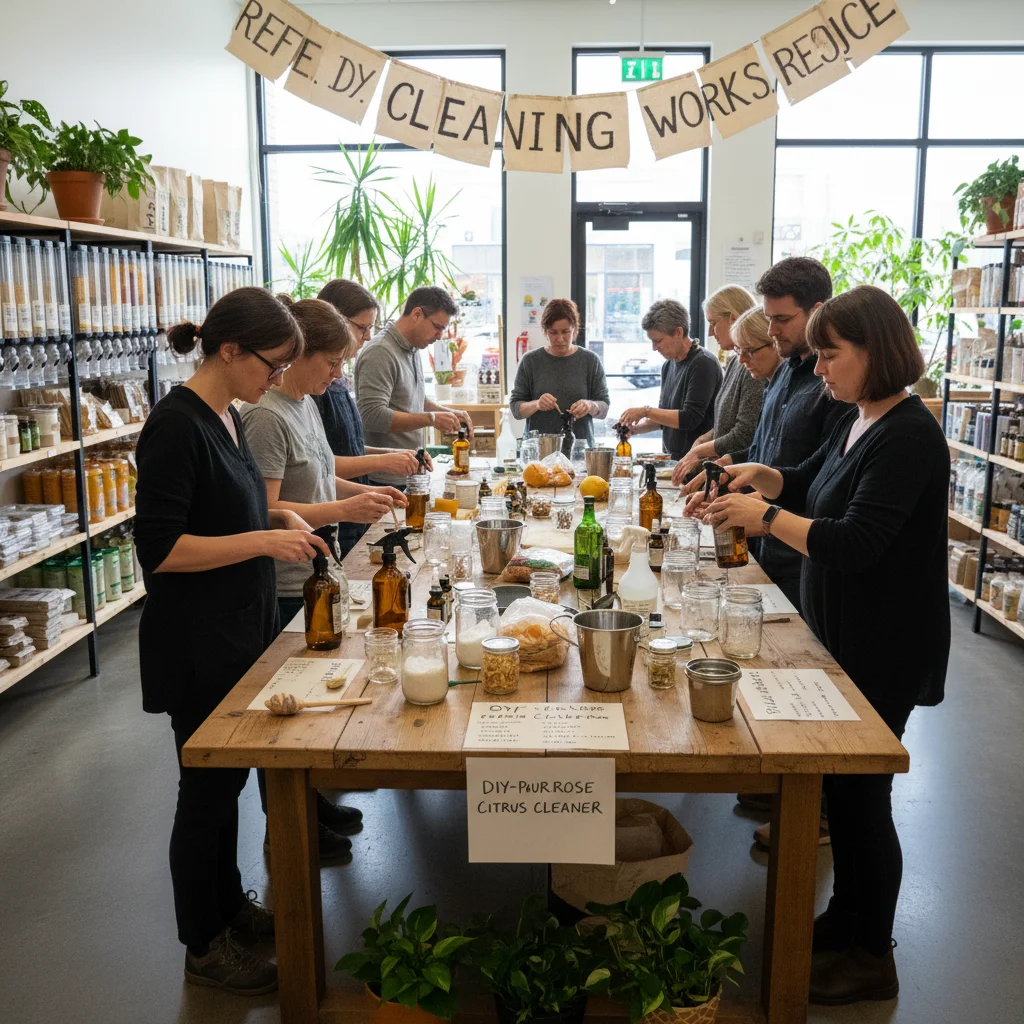
While many are eager to embrace zero waste, some consumers still find the concept unfamiliar or inconvenient. Stores must invest in educating their clientele, demonstrating the ease and benefits of bulk shopping, and fostering a supportive community. Workshops on DIY products, composting, and sustainable living can help bridge this gap.
Initial Investment and Scale
Setting up a zero-waste store can require a significant initial investment in dispensers, scales, and inventory. Scaling operations to compete with larger conventional supermarkets also presents a challenge. However, the unique value proposition and strong community support often allow these stores to thrive, focusing on quality, sustainability, and personal service.
Despite these challenges, the opportunities are immense. The growing demand for sustainable products, coupled with a desire for authenticity and community, positions zero-waste stores for continued growth. Innovations in packaging alternatives, collaborative supply networks, and integrated online-to-offline shopping experiences will undoubtedly shape their future.
Beyond the Store: Integrating Zero Waste into Your Lifestyle
Shopping at zero-waste stores US is a powerful step, but true zero waste is a lifestyle choice that extends beyond the grocery aisle. Here are additional ways to integrate this philosophy into your daily life:
- Compost Food Scraps: Divert organic waste from landfills by composting. Many cities offer composting programs, or you can start a backyard compost bin.
- Repair Before Replacing: Fix broken items instead of immediately buying new ones. This applies to clothing, electronics, and household goods.
- Choose Reusables Everywhere: Carry a reusable water bottle, coffee cup, and cutlery set with you to avoid single-use plastics on the go.
- Support Circular Businesses: Patronize businesses that offer repair services, second-hand goods, or products made from recycled materials.
- DIY When Possible: Make your own cleaning products, personal care items, or even gifts to reduce packaging and avoid unwanted ingredients.
- Declutter and Donate: Regularly assess your possessions and donate or sell items you no longer need, preventing them from becoming waste.
- Advocate for Change: Speak up! Encourage local businesses to adopt zero-waste practices and support policies that promote sustainability.
The journey to zero waste is ongoing and personal. It’s about making conscious choices that align with your values and contribute to a more sustainable world. Every small action, when multiplied by millions, creates monumental change.
Conclusion: A Sustainable Future, One Refill at a Time
The proliferation of zero-waste stores US by 2026 is a testament to a powerful shift in consumer consciousness and market innovation. These stores are more than just places to buy goods; they are catalysts for cultural change, demonstrating that a future with significantly less waste is not only possible but also practical, accessible, and economically viable.
By embracing bulk shopping, bringing our own containers, and supporting these pioneering businesses, we collectively reduce packaging waste by 70% or more, mitigate plastic pollution, lower our carbon footprint, and conserve precious resources. The journey towards a zero-waste lifestyle is iterative, requiring dedication and an open mind, but the rewards—for individuals, communities, and the planet—are immeasurable.
As you plan your next shopping trip, consider seeking out a zero-waste store in your area. Experience firsthand the satisfaction of buying exactly what you need, without the burden of unnecessary packaging. Join the growing movement and become a part of the solution, one refill, one reusable container, and one conscious choice at a time. The sustainable future we envision is being built today, in the aisles of these remarkable stores.