Eco-Friendly Cleaning Products US 2026: Reduce Chemical Exposure by 90%
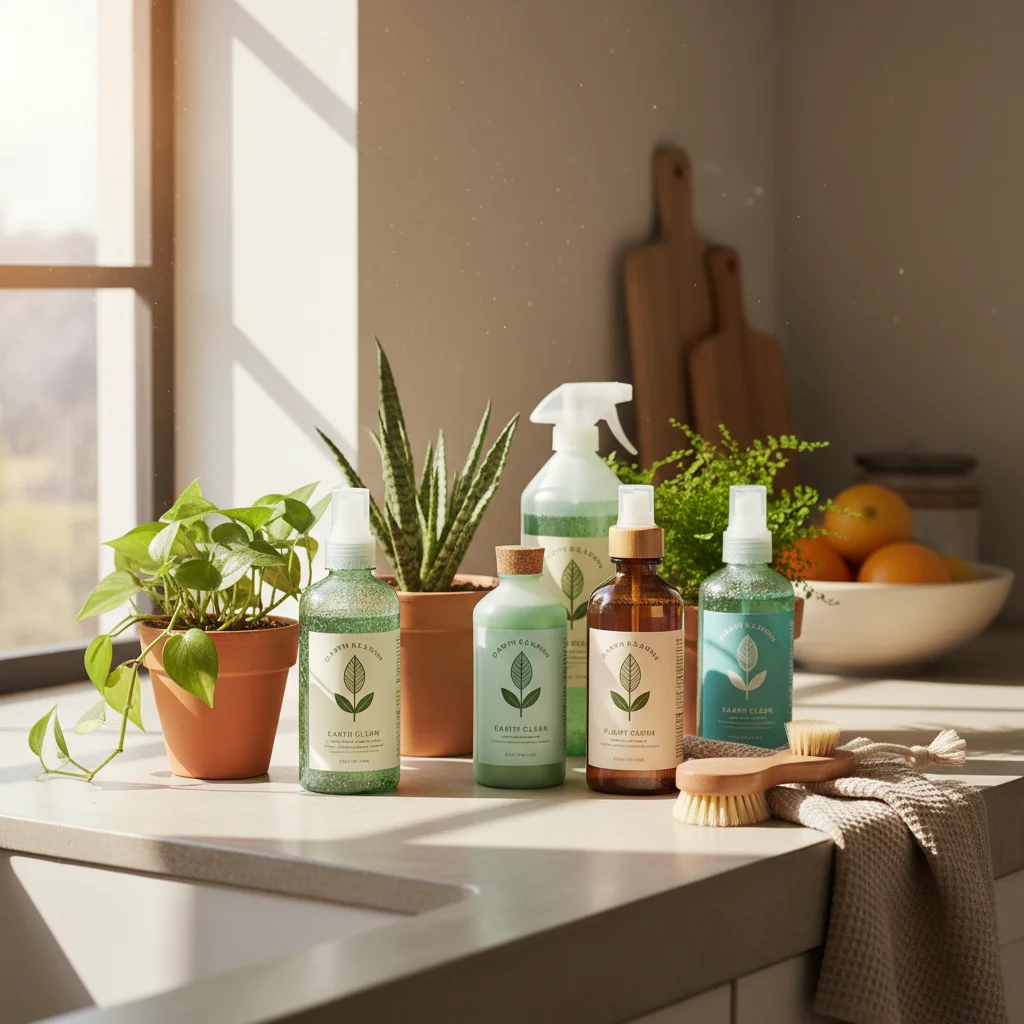
In an era where health and environmental consciousness are paramount, the demand for eco-friendly cleaning products in the US is surging. As we look towards 2026, the focus is not merely on cleanliness, but on achieving it without compromising our well-being or the planet’s health. This comprehensive guide will delve into the world of sustainable cleaning, providing you with the knowledge and tools to reduce your household chemical exposure by an impressive 90%.
For decades, conventional cleaning products have been staples in American homes, promising sparkling surfaces and germ-free environments. However, the hidden cost of these promises often comes in the form of harsh chemicals, volatile organic compounds (VOCs), and synthetic fragrances that can negatively impact indoor air quality, trigger allergies, exacerbate respiratory issues, and contribute to long-term health problems. The environmental footprint is equally concerning, with chemical runoff polluting waterways and non-biodegradable packaging accumulating in landfills.
The good news is that a revolution is underway. Manufacturers are increasingly responding to consumer demand for safer, more sustainable alternatives. The market for eco-friendly cleaning products is no longer a niche; it’s a rapidly expanding sector offering innovative solutions that are as effective as their conventional counterparts, if not more so, without the detrimental side effects.
The Imperative for Change: Why Go Eco-Friendly Now?
The shift towards eco-friendly cleaning products is driven by a confluence of factors, ranging from personal health concerns to a broader understanding of environmental stewardship. Let’s explore the compelling reasons to make this transition a priority in your home:
Protecting Your Health: Reducing Chemical Exposure by 90%
This is perhaps the most immediate and impactful benefit. Conventional cleaning products often contain a cocktail of hazardous chemicals. Ingredients like phthalates, parabens, ammonia, chlorine bleach, and synthetic dyes and fragrances have been linked to a range of health issues:
- Respiratory Problems: VOCs released from cleaning products can irritate airways, trigger asthma attacks, and contribute to chronic bronchitis.
- Skin Irritation and Allergies: Many chemicals are skin sensitizers, causing redness, itching, and allergic reactions upon contact.
- Endocrine Disruption: Phthalates and parabens, commonly found in fragranced products, are known endocrine disruptors, potentially affecting hormonal balance and reproductive health.
- Carcinogenic Risks: Some ingredients, like certain formaldehyde-releasing preservatives, are classified as probable human carcinogens.
- Neurological Effects: Prolonged exposure to some solvents can have adverse effects on the nervous system.
By opting for eco-friendly cleaning products, you can dramatically reduce your exposure to these harmful substances. Many green products utilize plant-based ingredients, essential oils for fragrance, and biodegradable formulas, ensuring a safer home environment for you, your children, and your pets. Our goal for 2026 is to empower you to achieve a 90% reduction in chemical exposure, creating a sanctuary where health thrives.
Environmental Stewardship: A Greener Planet for Future Generations
Beyond personal health, the environmental benefits of eco-friendly cleaning products are substantial:
- Reduced Water Pollution: Biodegradable formulas break down naturally, preventing harmful chemicals from entering waterways and harming aquatic life.
- Lower Air Pollution: Fewer VOCs contribute to cleaner indoor and outdoor air quality, reducing smog and ozone depletion.
- Sustainable Sourcing: Many green brands prioritize ethically sourced, renewable ingredients, minimizing reliance on petrochemicals.
- Less Waste: Companies are increasingly offering concentrated formulas, refillable packaging, and post-consumer recycled (PCR) plastic, significantly reducing plastic waste.
- Energy Efficiency: Some green products are designed to work effectively with cold water, saving energy.
Cost-Effectiveness and Long-Term Savings
While the initial price point of some eco-friendly cleaning products might seem slightly higher, they often prove more cost-effective in the long run. Concentrated formulas require less product per use, and the absence of harsh chemicals can extend the life of surfaces and appliances by preventing corrosion or discoloration. Furthermore, investing in your health by reducing exposure to toxins can lead to fewer medical expenses related to allergies, respiratory issues, and other chemical-induced ailments.
The transition to eco-friendly cleaning products is not just a trend; it’s a conscious decision to foster a healthier home and a more sustainable future. As we move into 2026, the options are abundant, effective, and increasingly accessible.
Understanding Labels: Decoding ‘Eco-Friendly’ in 2026
The term ‘eco-friendly’ can sometimes be a broad umbrella, and not all products marketed as such genuinely live up to the claim. In 2026, discerning consumers need to be vigilant and understand what to look for on labels to ensure they are truly choosing effective and sustainable eco-friendly cleaning products.
Key Certifications and Seals to Look For:
- EPA Safer Choice: This is one of the most reliable certifications in the US. Products with the Safer Choice label contain ingredients that have been evaluated by EPA scientists and meet stringent human health and environmental criteria.
- USDA Certified Organic: While more common for food, some cleaning products use organic ingredients. This certification ensures that at least 95% of the ingredients are organic.
- ECOLOGO Certified: This global certification indicates that a product has met strict lifecycle-based environmental performance criteria.
- Green Seal Certified: Products with this seal have undergone rigorous scientific evaluation and meet high standards for human health, environmental protection, and product performance.
- Leaping Bunny: This certification guarantees that a product and its ingredients are not tested on animals. While not directly related to ingredient safety, it’s a key indicator of ethical production.
Ingredients to Avoid (The ‘Dirty Dozen’ of Cleaning):
To achieve a 90% reduction in chemical exposure, familiarize yourself with common culprits:
- Phthalates: Often hidden in ‘fragrance’ – can disrupt hormones.
- Parabens: Preservatives linked to endocrine disruption.
- Ammonia: A respiratory irritant, especially dangerous when mixed with bleach.
- Chlorine Bleach (Sodium Hypochlorite): Highly corrosive, respiratory irritant, and creates toxic fumes when mixed with other cleaners.
- Quaternary Ammonium Compounds (Quats): Common disinfectants linked to asthma and skin irritation.
- Triclosan/Triclocarban: Antibacterial agents that contribute to antibiotic resistance and can disrupt hormones.
- 2-Butoxyethanol: A glycol ether that can cause headaches, dizziness, and irritation.
- Formaldehyde: A known carcinogen, sometimes used as a preservative or released from other chemicals.
- Sodium Lauryl Sulfate (SLS) / Sodium Laureth Sulfate (SLES): Surfactants that can cause skin and eye irritation.
- Synthetic Fragrances: Often proprietary blends that can contain hundreds of chemicals, including phthalates and VOCs.
- Petroleum Distillates: Found in some polishes, can be respiratory irritants.
- Naphthalene: Found in some mothballs and air fresheners, a suspected carcinogen.
Ingredients to Embrace:
Look for eco-friendly cleaning products that feature:
- Plant-based surfactants: Derived from coconut, corn, or palm oil.
- Essential oils: For natural fragrance (e.g., lemon, lavender, tea tree).
- Vinegar (acetic acid): Natural disinfectant and degreaser.
- Baking soda (sodium bicarbonate): A gentle abrasive and odor absorber.
- Citric acid: Natural descaler and brightener.
- Hydrogen peroxide: An effective disinfectant and whitener.
- Enzymes: Break down organic matter in drain cleaners and laundry detergents.
Top Eco-Friendly Cleaning Product Categories for 2026
The market has matured significantly, offering a green alternative for almost every cleaning need. Here are the key categories and what to look for when choosing eco-friendly cleaning products in 2026:
1. All-Purpose Cleaners: The Versatile Workhorse
These are often the first step in transitioning to green cleaning. Look for plant-derived formulas, essential oil scents, and refillable options. Many brands offer concentrates that you dilute at home, further reducing plastic waste.
2. Dish Soap and Dishwasher Detergents: Sparkling Clean, Inside and Out
For handwashing, opt for biodegradable dish soaps free from phosphates, dyes, and strong synthetic fragrances. For dishwashers, choose phosphate-free pods or powders that use mineral-based cleaning agents and enzymes. Brands like Seventh Generation, Ecover, and Blueland are leading the way.
3. Laundry Detergents: Gentle on Clothes, Tough on Stains
Conventional laundry detergents are notorious for harsh chemicals and synthetic fragrances. Eco-friendly cleaning products for laundry focus on plant-based enzymes to break down stains, mineral-based brighteners, and natural scents or fragrance-free options. Look for concentrated liquids, powder, or laundry strips to minimize packaging. Dropps, Molly’s Suds, and Mrs. Meyer’s are popular choices.
4. Bathroom Cleaners: Tackling Grime Naturally
From toilet bowl cleaners to shower sprays, the bathroom often requires powerful cleaning. Green alternatives use citric acid, vinegar, baking soda, and essential oils to combat mold, mildew, soap scum, and hard water stains. Many are safe for septic systems. Brands like Bio-Kleen and Method offer effective solutions.
5. Glass and Surface Cleaners: Streak-Free Shine Without the Fumes
Ammonia-free glass cleaners are a must. Look for vinegar-based formulas or those using other natural solvents that evaporate quickly, leaving no streaks or harmful residues. Microfiber cloths, when used with just water or a mild green cleaner, can also achieve excellent results.
6. Floor Cleaners: Safe for Every Step
Whether you have hardwood, tile, or laminate, eco-friendly cleaning products for floors should be pH-neutral, biodegradable, and free from harsh chemicals that can damage finishes or leave toxic residues. Many options are concentrate-based and designed for specific floor types.
7. Air Fresheners and Odor Eliminators: Breathe Easy
Avoid aerosol sprays and plug-ins that release VOCs and synthetic fragrances. Instead, opt for natural odor eliminators like baking soda, activated charcoal, essential oil diffusers, or simply opening windows for fresh air. Plant-based room sprays with pure essential oils are also a great choice.
DIY Eco-Friendly Cleaning Solutions: The Ultimate 90% Reduction Strategy
For those committed to minimizing chemical exposure and saving money, DIY cleaning solutions are your best friend. With a few simple, common household ingredients, you can create highly effective cleaners that are 100% natural and safe.
Essential DIY Ingredients:
- White Vinegar: A natural disinfectant, degreaser, and deodorizer. Excellent for glass, floors, and descaling.
- Baking Soda: A gentle abrasive, odor absorber, and mild alkali. Great for scrubbing sinks, tubs, and neutralizing odors.
- Lemon Juice: A natural bleach, degreaser, and provides a fresh scent.
- Hydrogen Peroxide (3%): A non-toxic disinfectant and whitener.
- Castile Soap: A concentrated, vegetable-oil-based soap that can be used for almost anything from dish soap to laundry.
- Essential Oils: Tea tree (antibacterial, antifungal), lemon (degreaser, fresh scent), lavender (calming scent, antibacterial), peppermint (pest deterrent, invigorating scent).
Simple DIY Recipes:
- All-Purpose Cleaner: Mix 1 part white vinegar, 1 part water, and 10-15 drops of your favorite essential oil (e.g., lemon or tea tree) in a spray bottle.
- Glass Cleaner: Mix 1 part white vinegar, 1 part water, and a few drops of rubbing alcohol (optional, for extra streak-free shine) in a spray bottle.
- Toilet Bowl Cleaner: Sprinkle baking soda generously into the bowl, let it sit for 15-30 minutes, then spray with white vinegar. Scrub with a brush and flush.
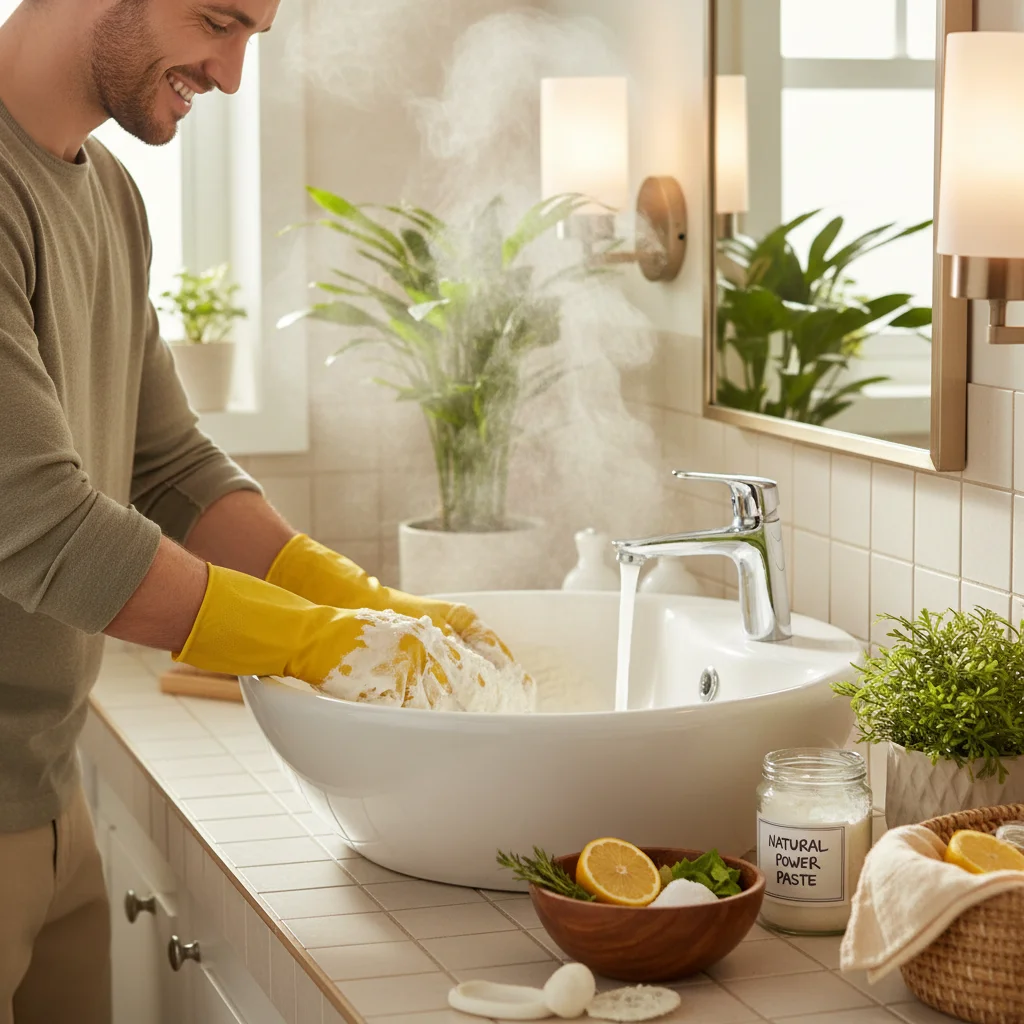
- Scouring Paste: Mix baking soda with a small amount of liquid castile soap and water to form a paste. Use for tubs, sinks, and tile grout.
- Floor Cleaner (Hardwood/Tile): For hardwood, mix 1/2 cup white vinegar with 1 gallon warm water and a few drops of essential oil. For tile, increase vinegar to 1 cup.
- Oven Cleaner: Make a paste of baking soda and water. Apply to oven surfaces, let sit overnight, then scrape off and wipe clean.
By incorporating these DIY solutions, you can easily achieve a 90% reduction in reliance on store-bought chemical cleaners, ensuring your home is truly free from harmful toxins.
Beyond Products: Holistic Approaches to a Chemical-Free Home
Reducing chemical exposure isn’t just about the products you buy; it’s also about adopting smarter cleaning habits and creating an environment that naturally stays cleaner. Here are additional strategies for 2026:
1. Embrace Microfiber Cloths:
High-quality microfiber cloths can clean most surfaces effectively with just water, trapping dirt and germs without the need for chemicals. They are reusable and durable, reducing waste.
2. Improve Indoor Air Quality:
Even with eco-friendly cleaning products, good ventilation is key. Open windows regularly, especially when cleaning. Consider investing in air-purifying plants (e.g., snake plant, peace lily) or a high-efficiency particulate air (HEPA) filter for your vacuum and air purifiers.
3. Regular Cleaning Habits:
Consistent, light cleaning prevents the buildup of grime, reducing the need for harsh, intensive cleaning agents. A quick daily wipe-down can make a big difference.
4. Minimize Clutter:
Less clutter means fewer surfaces for dust and dirt to accumulate, making cleaning easier and more efficient.
5. Take Off Your Shoes:
A simple habit that prevents countless outdoor pollutants, pesticides, and dirt from being tracked into your home.
6. Read Ingredient Labels Diligently:
Even with brands you trust, formulations can change. Always check labels, especially for new purchases, to ensure they align with your chemical-reduction goals. Look for transparency from manufacturers.

The Future of Eco-Friendly Cleaning in the US (2026 and Beyond)
As we navigate towards 2026 and beyond, the landscape of eco-friendly cleaning products is set for continued innovation and growth:
Advanced Bio-based Formulations:
Expect to see more sophisticated enzyme-based cleaners and probiotic cleaning solutions that utilize beneficial microorganisms to break down dirt and odors, offering long-lasting cleanliness.
Circular Economy Principles:
The emphasis on refillable systems, concentrated products, and closed-loop manufacturing (where waste is minimized and resources are reused) will become even more prevalent. Brands will increasingly offer subscription services for refills.
Smart Cleaning Technology Integration:
Integration with smart home systems, such as automated dosing for laundry or dishwashers using eco-friendly concentrates, could become more common, optimizing product use and minimizing waste.
Increased Transparency and Regulation:
Consumer demand for clear, understandable ingredient lists will push for greater transparency from manufacturers. There may also be increased regulatory oversight on what can be marketed as ‘green’ or ‘natural’ to combat greenwashing.
Education and Accessibility:
As awareness grows, educational initiatives will empower more consumers to make informed choices. Eco-friendly cleaning products will become even more accessible in mainstream retail, making the transition easier for everyone.
Conclusion: A Healthier Home Awaits
Making the switch to eco-friendly cleaning products in the US by 2026 is not just a trend; it’s a vital step towards creating a healthier, safer home environment and contributing to a more sustainable planet. By understanding labels, choosing certified products, embracing DIY solutions, and adopting holistic cleaning habits, you can effectively reduce your household chemical exposure by 90% or more.
The benefits extend beyond clean surfaces. You’ll enjoy improved indoor air quality, reduced allergy symptoms, better respiratory health, and the peace of mind that comes from knowing you’re protecting your family and the environment. The future of cleaning is green, effective, and within your reach. Start your journey today and experience the transformative power of truly clean living.