Smart Home Devices: Saving 12% on US Energy in 2026
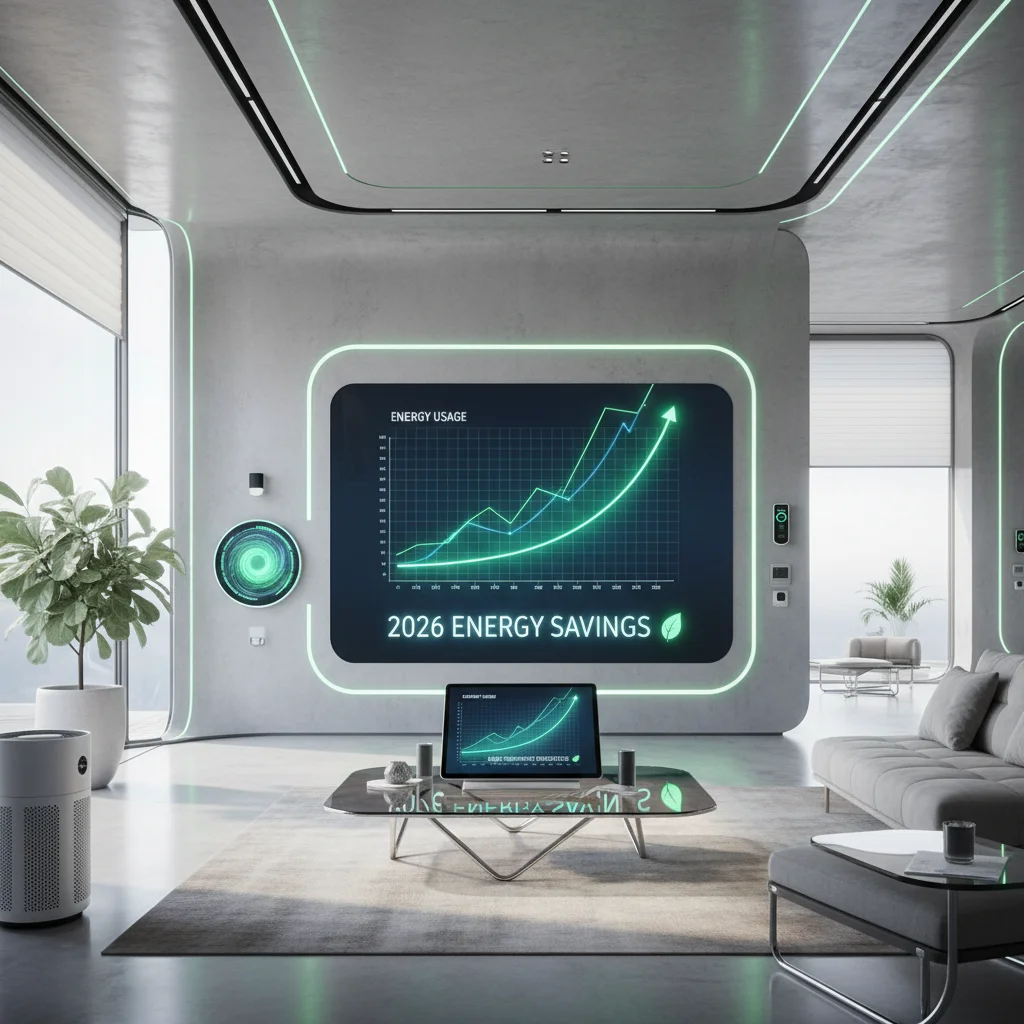
The Impact of Smart Home Devices on US Energy Consumption in 2026: Save 12% Annually with Optimized Settings
As technology continues to intertwine with our daily lives, the concept of a ‘smart home’ has evolved from a futuristic dream into a tangible reality. Beyond mere convenience, smart home devices are increasingly recognized for their profound potential to revolutionize energy consumption patterns. In the United States, where energy demand is consistently high, the adoption of these intelligent systems offers a promising pathway to significant energy savings. This article delves into the projected impact of smart home devices on US energy consumption by 2026, estimating an impressive 12% annual saving through optimized settings and intelligent management. We will explore the mechanisms through which these devices achieve such efficiencies, the various types of smart home technologies contributing to this shift, and the broader implications for both individual households and the national energy landscape.
The journey towards a more energy-efficient future is not just about adopting new gadgets; it’s about fundamentally changing how we interact with and manage our living spaces. Smart home technology empowers users with unprecedented control, allowing for precise adjustments to heating, cooling, lighting, and appliance usage, often without direct manual intervention. This level of automation and optimization is key to unlocking substantial energy reductions, moving beyond simple behavioral changes to systemic improvements in energy management. Understanding the multifaceted benefits of these devices is crucial for realizing their full potential and encouraging widespread adoption.
The projections for 2026 are not merely aspirational; they are rooted in current trends and the accelerating pace of technological innovation. As more households embrace smart home solutions, the cumulative effect on national energy grids will become increasingly apparent. This article aims to provide a comprehensive overview of this transformative trend, offering insights into how consumers can leverage smart home energy savings to not only reduce their utility bills but also contribute to a more sustainable and environmentally friendly future. We will examine specific examples of devices and strategies that are driving this change, providing a roadmap for maximizing energy efficiency in the smart home era.
The Rise of Smart Home Technology and Its Energy Footprint
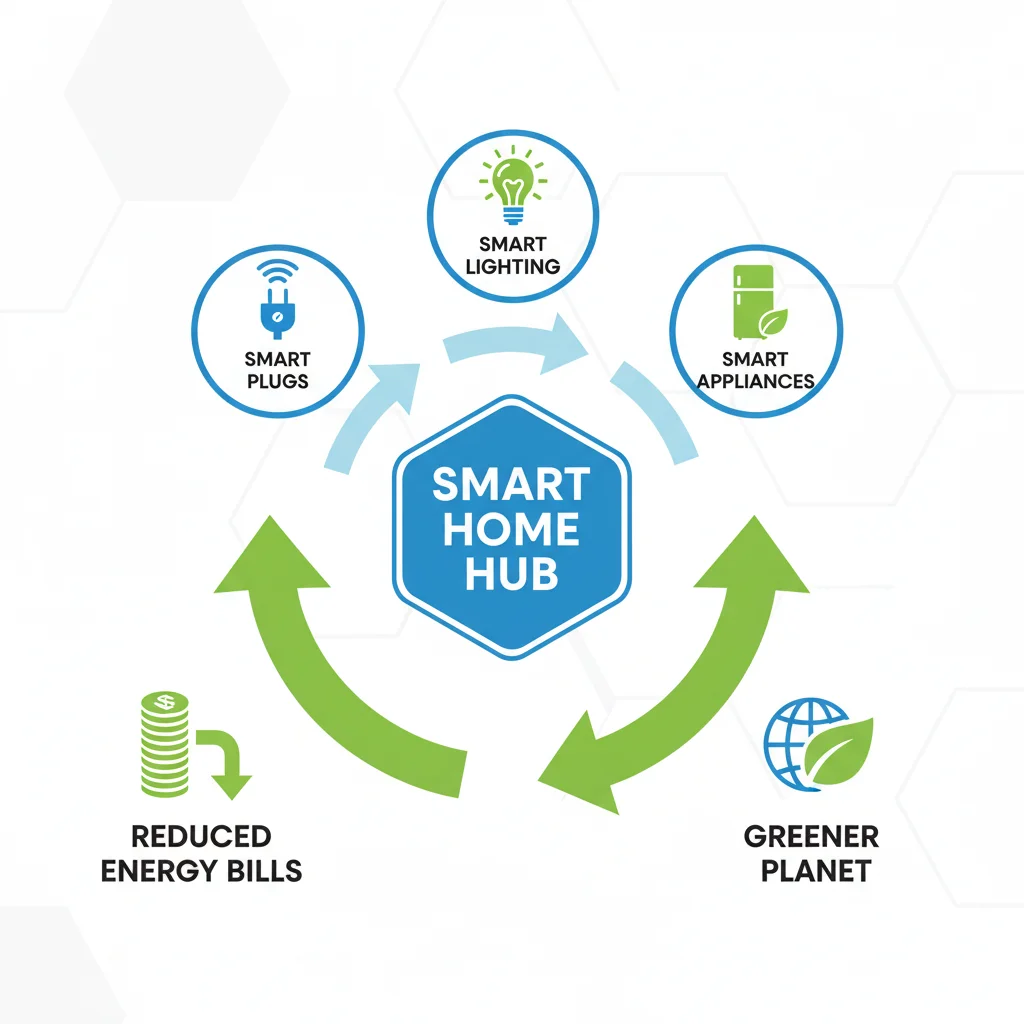
The proliferation of smart home technology has been nothing short of remarkable. From smart thermostats that learn your preferences to intelligent lighting systems that adapt to natural light, these innovations are reshaping our living environments. But what exactly constitutes a ‘smart home device’ in the context of energy consumption? Broadly, it refers to any electronic appliance or system within a home that can be controlled remotely, automated, or that possesses learning capabilities to optimize its operation. This includes, but is not limited to, smart thermostats, smart lighting, smart plugs, smart appliances (refrigerators, washing machines), smart blinds, and comprehensive home energy management systems.
Traditionally, energy consumption in homes has been largely static and reactive. Thermostats were set manually, lights were switched on and off, and appliances ran on fixed schedules. This often led to significant energy waste – heating or cooling empty rooms, leaving lights on unnecessarily, or running appliances during peak energy demand times. Smart home devices directly address these inefficiencies by introducing dynamic and proactive energy management. They offer granular control, real-time data, and predictive capabilities that were previously unavailable to the average homeowner.
The energy footprint of a typical US household is substantial, contributing significantly to national energy demand and associated carbon emissions. According to the U.S. Energy Information Administration (EIA), residential energy consumption accounts for a considerable portion of total energy use. This makes the residential sector a prime target for energy efficiency improvements. Smart home technology presents a powerful tool for achieving these improvements, not just by individual actions, but through a connected ecosystem that optimizes energy use across the entire home. The ability of these devices to communicate and coordinate their actions further amplifies their energy-saving potential, creating a synergistic effect that goes beyond the sum of individual device efficiencies.
The initial investment in smart home devices might seem like a barrier for some, but the long-term smart home energy savings often outweigh the upfront costs. The payback period for many smart devices, especially smart thermostats and lighting, can be surprisingly short due to the immediate and continuous reduction in energy bills. Furthermore, government incentives and utility rebates are increasingly available to encourage the adoption of energy-efficient smart home technologies, making them more accessible to a wider demographic. As manufacturing costs decrease and technology becomes more sophisticated, the accessibility and affordability of smart home solutions are expected to improve even further, accelerating their integration into mainstream households.
The Mechanics of Smart Home Energy Savings: How 12% is Achieved
Achieving a 12% reduction in US energy consumption through smart home devices by 2026 is an ambitious yet attainable goal, built upon several key mechanisms:
1. Optimized HVAC Management with Smart Thermostats
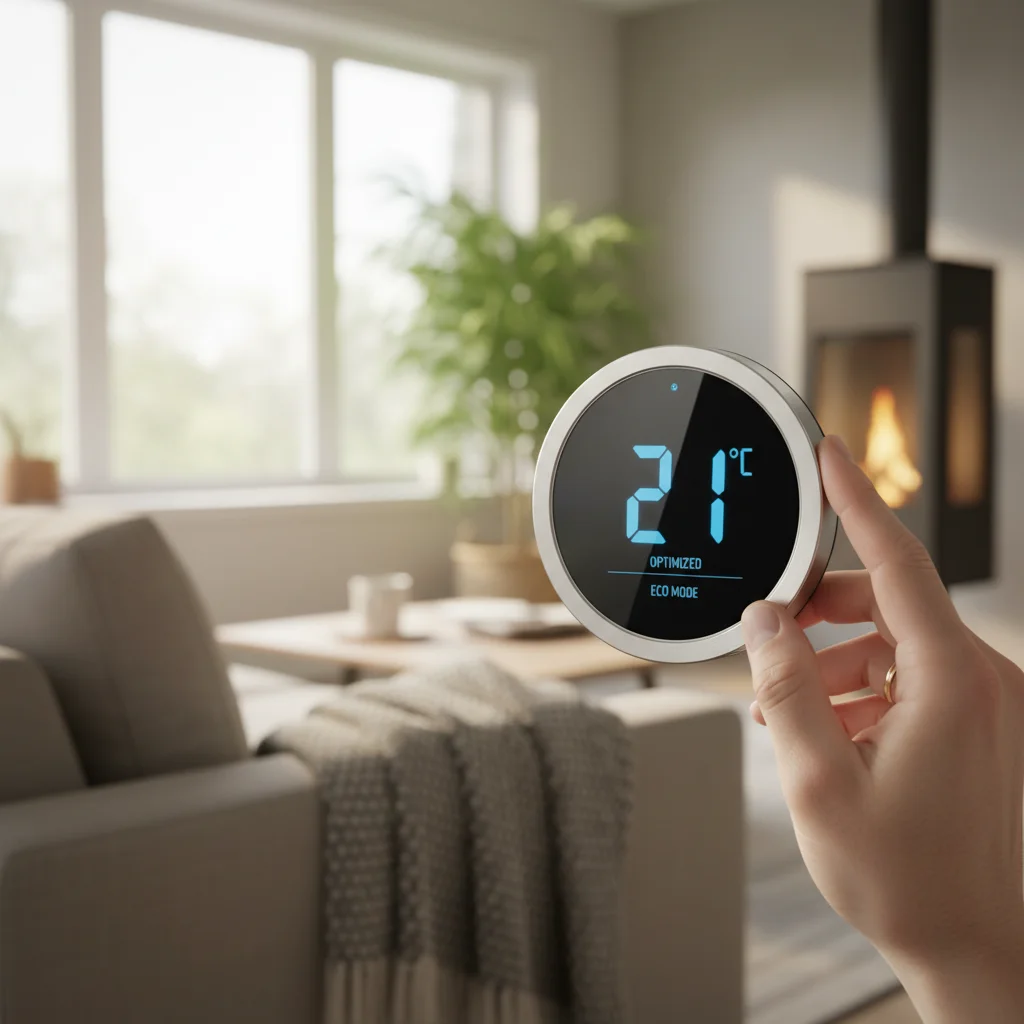
Heating, ventilation, and air conditioning (HVAC) systems are typically the largest energy consumers in a household. Smart thermostats like Nest, Ecobee, and Honeywell Home are at the forefront of smart home energy savings. These devices learn occupants’ schedules and preferences, automatically adjusting temperatures to conserve energy when no one is home or during sleeping hours. They can also be controlled remotely via smartphone apps, allowing users to fine-tune settings from anywhere. Advanced features include geofencing (adjusting temperature based on your proximity to home), weather integration (optimizing for outdoor conditions), and energy reporting, which provides insights into consumption patterns. By precisely controlling HVAC systems, smart thermostats prevent unnecessary heating or cooling, leading to significant reductions in energy waste.
2. Intelligent Lighting Control
Lighting is another significant contributor to household energy consumption. Smart lighting systems, featuring LED bulbs and smart switches, offer unparalleled control. These systems allow users to dim lights, set schedules, and even detect occupancy to automatically turn lights on or off. Motion sensors and daylight sensors ensure that lights are only used when and where needed, and at the optimal brightness. The transition from incandescent bulbs to energy-efficient LEDs, combined with smart controls, amplifies smart home energy savings dramatically. For example, programming lights to turn off when a room is empty or to dim automatically as natural light increases can lead to substantial reductions in electricity usage.
3. Smart Plugs and Appliance Management
Many electronic devices consume power even when turned off, a phenomenon known as ‘vampire drain’ or ‘phantom load.’ Smart plugs provide a simple yet effective solution. By plugging appliances into smart plugs, users can remotely turn off power to devices when not in use, completely eliminating standby power consumption. This is particularly useful for entertainment systems, computer peripherals, and kitchen appliances. Furthermore, smart plugs can be integrated into broader home automation routines, ensuring that non-essential devices are powered down during specific times, further contributing to smart home energy savings.
4. Smart Appliances and Energy Monitoring
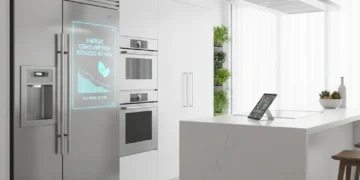
The new generation of smart appliances, such as refrigerators, washing machines, and dishwashers, are designed with energy efficiency in mind. They often come with features like delayed start options to run during off-peak energy hours, advanced sensors to optimize performance, and connectivity that allows for remote monitoring and control. Some smart appliances can even communicate with the energy grid, participating in demand response programs that adjust their operation during periods of high demand to reduce strain on the grid and save consumers money. Beyond individual appliances, whole-home energy monitors provide real-time data on energy consumption, empowering homeowners to identify energy hogs and make informed decisions about their usage patterns.
5. Integrated Home Energy Management Systems
The true power of smart home energy savings lies in the integration of various devices into a cohesive home energy management system. Platforms like Apple HomeKit, Google Home, and Amazon Alexa allow different smart devices to communicate and work together, creating automated routines that optimize energy use across the entire home. For instance, a ‘leaving home’ routine could automatically adjust the thermostat, turn off all lights, and power down non-essential appliances. This level of interoperability and automation maximizes energy efficiency, moving beyond individual device savings to a holistic approach to energy management. The ability to analyze data from multiple sources and make intelligent, adaptive decisions is what will drive the projected 12% reduction in US energy consumption.
Benefits Beyond the Bill: Environmental and Economic Impacts
While the primary motivation for many in adopting smart home technology is often the promise of reduced energy bills, the benefits extend far beyond personal financial savings. The widespread adoption of smart home devices has significant positive implications for the environment, the national energy grid, and the broader economy.
Environmental Impact: A Greener Footprint
A 12% reduction in US energy consumption by 2026, driven by smart home energy savings, translates directly into a substantial decrease in greenhouse gas emissions. The electricity generation sector is a major contributor to carbon emissions, and any reduction in demand lessens the need for fossil fuel-based power plants. This contributes to mitigating climate change, improving air quality, and promoting a more sustainable future. By making homes more energy-efficient, smart technology empowers individuals to play an active role in environmental stewardship, reducing their carbon footprint without sacrificing comfort or convenience. The cumulative effect of millions of smart homes operating more efficiently can have a profound positive impact on the planet.
Grid Stability and Resilience
Smart home devices, particularly those integrated with demand response programs, can significantly enhance the stability and resilience of the national energy grid. During peak demand periods, when the grid is under strain, smart devices can automatically adjust their consumption (e.g., slightly raising the thermostat setting or delaying appliance cycles) in response to signals from the utility company. This ‘load shedding’ helps prevent blackouts, reduces the need for expensive infrastructure upgrades, and allows utilities to manage energy resources more effectively. The decentralized nature of smart home energy management creates a more flexible and responsive grid, capable of adapting to fluctuating supply and demand patterns, especially as renewable energy sources become more prevalent.
Economic Growth and Innovation
The smart home industry is a rapidly growing sector, fostering innovation and creating new economic opportunities. The development, manufacturing, sales, and installation of smart home devices generate jobs and stimulate economic activity. Furthermore, the data collected by these devices can provide valuable insights for energy providers and urban planners, leading to smarter infrastructure development and more efficient energy policies. As the market for smart home technology expands, so too will the ecosystem of related services and applications, driving further economic growth and technological advancement. This growth is not just about selling devices; it’s about building an entire infrastructure that supports a more intelligent and sustainable way of living.
Overcoming Challenges and Ensuring Widespread Adoption
Despite the immense potential of smart home energy savings, several challenges need to be addressed to ensure widespread adoption and realize the projected 12% reduction in US energy consumption by 2026.
Cost and Accessibility
The initial cost of smart home devices and installation can be a barrier for some households. While prices are decreasing, making smart technology more accessible to lower-income households through subsidies, rebates, and innovative financing models will be crucial. Furthermore, ensuring ease of installation and user-friendliness is vital to prevent technological intimidation and encourage broader acceptance.
Interoperability and Standardization
A fragmented market with numerous competing standards and platforms can confuse consumers and hinder seamless integration. Efforts towards greater interoperability and standardization among smart home devices are essential. This would allow devices from different manufacturers to communicate effectively, creating a truly unified and efficient smart home ecosystem.
Data Privacy and Security
Smart home devices collect a significant amount of data about occupants’ habits and preferences. Ensuring robust data privacy and security measures is paramount to building consumer trust. Clear policies, transparent data handling practices, and strong encryption are necessary to protect sensitive information and prevent malicious attacks. Consumers need to feel confident that their data is secure and used responsibly.
Education and Awareness
Many consumers are still unaware of the full potential of smart home devices for energy savings. Educational campaigns, clear communication from manufacturers and utilities, and readily available resources can help raise awareness and demonstrate the tangible benefits of adopting smart home technology. Highlighting the long-term financial savings and environmental impact can motivate more households to make the switch.
Reliability and Performance
For smart home devices to be truly effective, they must be reliable and perform consistently. Technical glitches, connectivity issues, or unreliable automation can quickly erode user confidence. Continuous improvement in product quality, software stability, and customer support will be critical for sustained adoption and positive user experiences. The ‘set it and forget it’ promise of smart technology relies heavily on its inherent reliability.
The Future of Smart Home Energy: Beyond 2026
The projected 12% smart home energy savings by 2026 is just the beginning. The future of smart home technology holds even greater promise for energy efficiency and sustainability. We can anticipate several key trends that will continue to drive innovation and impact energy consumption:
Artificial Intelligence and Machine Learning
As AI and machine learning capabilities become more sophisticated, smart home devices will become even more intelligent and predictive. They will be able to anticipate energy needs with greater accuracy, learn complex behavioral patterns, and optimize energy use in real-time based on a multitude of factors, including weather forecasts, energy prices, and occupancy patterns. This will lead to hyper-personalized and dynamic energy management systems that continuously adapt and improve.
Renewable Energy Integration
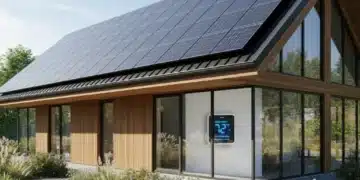
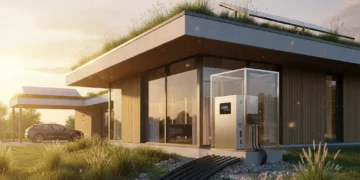
Smart homes will increasingly integrate with renewable energy sources like solar panels and battery storage systems. Smart energy management systems will intelligently manage the flow of energy, prioritizing self-consumption of renewable energy, charging batteries during off-peak hours, and even selling excess energy back to the grid. This integration will transform homes into active participants in a decentralized and renewable energy ecosystem, further boosting smart home energy savings and reducing reliance on traditional grid power.
Smart Grid Interoperability
The synergy between smart homes and the smart grid will deepen. Real-time communication between household devices and utility providers will enable more dynamic pricing models and demand response programs. Homes will become ‘prosumers’ – both consuming and producing energy – with smart systems optimizing their interaction with the grid for maximum efficiency and cost savings. This will create a more resilient, efficient, and sustainable national energy infrastructure.
Enhanced Data Analytics and User Feedback
Future smart home systems will offer even more sophisticated data analytics, providing homeowners with deeper insights into their energy consumption. Personalized recommendations, predictive analytics, and gamified energy-saving challenges will empower users to make more informed decisions and engage actively in reducing their energy footprint. The feedback loop between device data and user action will become more robust, driving continuous improvement in smart home energy savings.
Modular and Scalable Solutions
As smart home technology matures, we can expect more modular and scalable solutions that cater to a wider range of housing types and budgets. This will make it easier for homeowners to gradually upgrade their homes with smart devices, starting with key energy-saving components and expanding as needed. The flexibility and adaptability of these systems will be crucial for accelerating widespread adoption across diverse demographics.
Conclusion: A Brighter, More Efficient Future
The impact of smart home devices on US energy consumption is poised for a significant transformation, with projections indicating a remarkable 12% annual saving by 2026 through optimized settings. This reduction is not merely a theoretical possibility; it is a tangible outcome driven by the intelligent design and interconnected capabilities of smart thermostats, lighting systems, smart plugs, and advanced appliances. These devices empower homeowners with unprecedented control and automation, moving beyond traditional energy management to a proactive and predictive approach.
The benefits extend beyond individual utility bills, encompassing a greener environmental footprint, enhanced grid stability, and robust economic growth within the smart home industry. While challenges related to cost, interoperability, data security, and consumer awareness remain, ongoing innovation and strategic initiatives are paving the way for broader adoption. As we look towards 2026 and beyond, the integration of AI, renewable energy, and advanced smart grid technologies promises an even more efficient and sustainable future for our homes and our planet. Embracing smart home energy savings is not just an investment in personal comfort and financial well-being; it is a vital step towards a more sustainable and energy-independent nation.