2026 US Recycling Laws: Household Impact & Preparation Guide
Navigating the Future: How Upcoming 2026 US Recycling Laws Will Impact Your Household
The landscape of waste management in the United States is on the cusp of a significant transformation. As we approach January 2026, new federal and state-level legislation is set to redefine how US households approach recycling, aiming for a more sustainable and efficient system. These 2026 US recycling laws are not merely minor adjustments; they represent a concerted effort to combat pollution, conserve resources, and foster a circular economy. For every household across the nation, understanding and adapting to these changes will be crucial.
For decades, recycling has been a cornerstone of environmental efforts, yet its effectiveness has often been hampered by inconsistencies, lack of clear guidelines, and varying capacities across different municipalities. The upcoming legislation seeks to address these long-standing challenges head-on, promising a more standardized, comprehensive, and impactful approach. This detailed guide will delve into the specifics of these new policies, explore their potential impact on your daily routines, and provide actionable advice on how to prepare your household for the changes ahead. From understanding new material classifications to optimizing your at-home sorting practices, we’ll cover everything you need to know to navigate the evolving world of recycling.
The stakes are high. As a nation, our consumption patterns generate an enormous amount of waste. While recycling has made strides, a significant portion of recyclable materials still ends up in landfills, contributing to environmental degradation and resource depletion. The 2026 US recycling laws are designed to mitigate these issues by promoting greater accountability, encouraging innovation in recycling technologies, and empowering consumers with clearer directives. This means a shift from a fragmented system to one that is more cohesive and effective, ultimately benefiting both the environment and future generations.
This article aims to be your definitive resource, offering insights into the legislative background, practical implications, and strategic preparation for these essential changes. By the end, you’ll be well-equipped to embrace the new era of recycling with confidence and contribute actively to a more sustainable future.
The Legislative Landscape: What’s Driving the 2026 US Recycling Laws?
The impetus behind the 2026 US recycling laws stems from a growing recognition of the urgent need for a more robust and uniform national recycling strategy. Current recycling rates in the US lag behind many other developed nations, and the economic and environmental costs of landfilling continue to mount. Several key factors are converging to drive this legislative push:
- Environmental Imperative: The escalating climate crisis and the visible impact of plastic pollution on oceans and ecosystems demand immediate and decisive action. Reducing waste through effective recycling is a critical component of any comprehensive environmental strategy.
- Economic Efficiency: Landfilling is expensive, both in terms of land use and operational costs. A more efficient recycling system can reduce these costs and create new economic opportunities in the recycling and manufacturing sectors.
- Resource Conservation: Many raw materials are finite. Recycling helps conserve natural resources by reprocessing existing materials into new products, reducing the need for virgin resources.
- Public Demand: There is strong public support for improved recycling programs and greater corporate responsibility for product lifecycle management. Citizens are increasingly aware of their environmental footprint and seek ways to contribute positively.
- Technological Advancements: Innovations in sorting, processing, and material recovery technologies are making it possible to recycle a wider range of materials more efficiently than ever before. Legislation can help incentivize the adoption of these advanced technologies.
- Global Precedents: Many European and Asian countries have implemented advanced recycling systems, including extended producer responsibility (EPR) schemes, which serve as models for potential US policies.
While specific details of the legislation may vary by state and locality, the overarching goals are clear: to standardize recycling practices, increase recycling rates, reduce contamination, and hold producers more accountable for the end-of-life management of their products. This often involves a combination of federal mandates setting broad guidelines and state-level regulations tailoring these guidelines to local contexts. Expect to see a greater emphasis on extended producer responsibility (EPR), where manufacturers are made responsible for managing their products and packaging throughout their lifecycle, from design to post-consumer recycling. This shift aims to incentivize companies to design products that are easier to recycle and to invest in recycling infrastructure.
Furthermore, the legislation is likely to address the issue of ‘wishcycling,’ where consumers place non-recyclable items into recycling bins out of a desire to recycle, inadvertently contaminating entire batches. Clearer labeling standards and public education campaigns will be integral to combating this problem and improving the quality of recycled materials. The 2026 US recycling laws are not just about what you put in the bin; they’re about reshaping the entire supply chain to be more sustainable.
Key Changes and Their Direct Impact on US Households
The most immediate and noticeable changes for US households under the 2026 US recycling laws will revolve around what can be recycled, how it needs to be prepared, and potentially, the collection methods. While specifics will emerge as the legislation is fully enacted and implemented at the local level, several common themes are expected:
Standardized Recycling Lists
One of the biggest frustrations for consumers has been the wildly different recycling rules from one town or county to the next. The new legislation aims to introduce a greater degree of standardization. This means:
- Expanded Acceptable Materials: Many areas may see an expansion of materials accepted in curbside recycling, potentially including more types of plastics (e.g., films, pouches), certain electronics, or textiles that were previously excluded.
- Uniform Guidelines: The goal is to have more consistent lists of recyclable items across broader regions, making it easier for people who move or travel to understand what’s recyclable. This will reduce confusion and increase participation.
- Clearer Labeling: Expect new federal mandates or industry standards for product packaging that clearly indicate recyclability, often with standardized symbols and instructions. This will be a significant improvement over the current, often ambiguous, labeling.
Enhanced Sorting and Preparation Requirements
To improve the quality of recycled materials and reduce contamination, households may face stricter sorting and preparation guidelines:
- Rinsing Requirements: Emphasizing the importance of rinsing food containers (jars, cans, plastic tubs) to prevent contamination and odors that attract pests and degrade the quality of other recyclables.
- Separation of Components: More detailed instructions on separating different components of packaging, such as removing plastic caps from glass bottles, or separating cardboard sleeves from plastic trays.
- Bagging vs. Loose: Clarification on whether recyclables should be placed loose in the bin or, in some cases, bundled or bagged (e.g., plastic films). The trend is generally towards loose items for easier processing at material recovery facilities (MRFs).
Changes in Collection and Infrastructure
The 2026 US recycling laws will also likely spur investments in recycling infrastructure, which could translate to changes in how your recyclables are collected:
- Single-Stream vs. Multi-Stream: While single-stream (all recyclables in one bin) has been popular for convenience, some areas might revert to or introduce multi-stream systems for certain materials (e.g., separate bins for paper and containers) to reduce contamination. Conversely, areas with limited single-stream might transition to it.
- Increased Frequency or Capacity: With more materials being accepted, some municipalities might increase collection frequency or provide larger recycling bins.
- Drop-off Centers: Expansion of specialized drop-off centers for hard-to-recycle items like electronics, batteries, and hazardous waste, making it easier for households to responsibly dispose of these materials.
- Composting Initiatives: A significant push towards diverting organic waste from landfills is anticipated. This could mean more widespread municipal composting programs, either curbside collection or community drop-off sites for food scraps and yard waste.
Understanding these shifts is the first step toward compliance. It’s not just about what you toss, but how you prepare it and where it goes. The goal is to make the entire recycling chain more effective and sustainable.
Extended Producer Responsibility (EPR): A Game Changer for Households
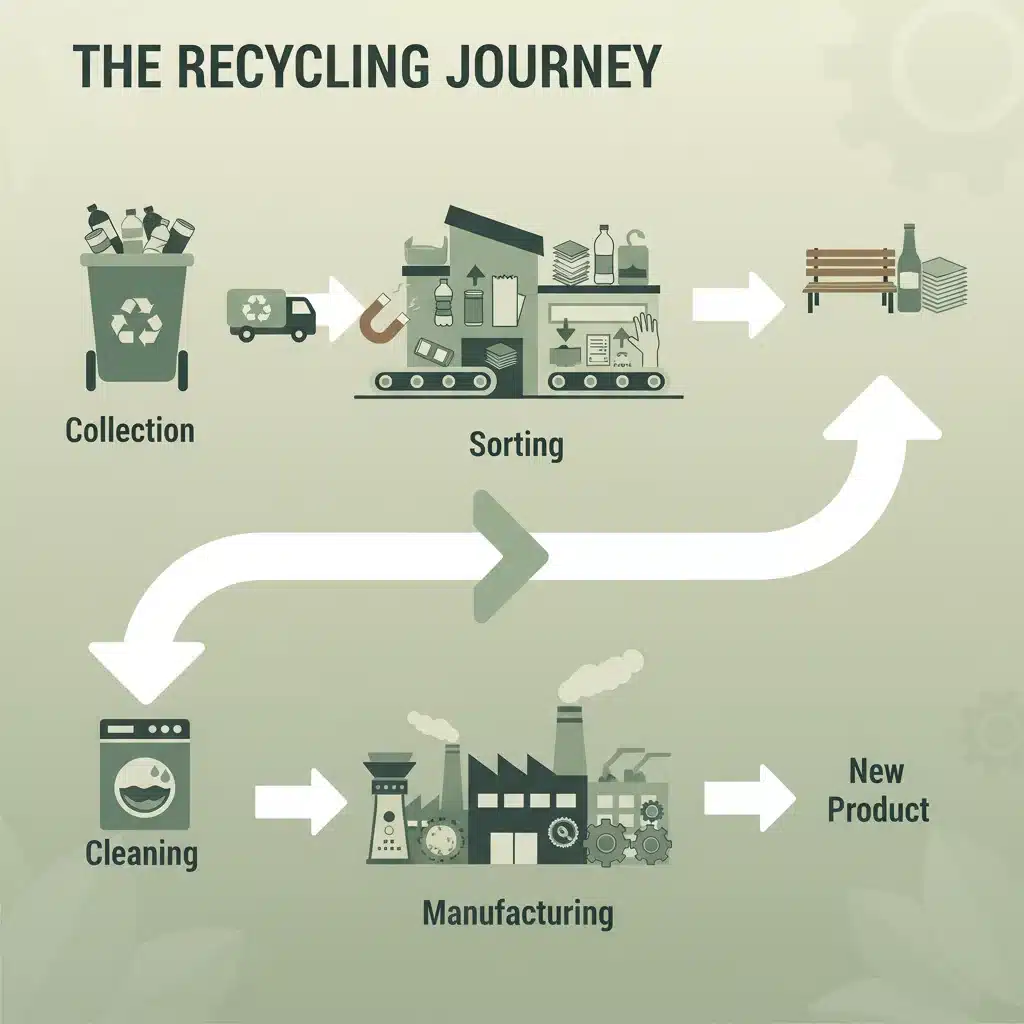
One of the most transformative elements anticipated within the 2026 US recycling laws is the broader adoption of Extended Producer Responsibility (EPR) schemes. EPR is a policy approach in which producers are given a significant financial and/or physical responsibility for the treatment or disposal of post-consumer products. This means that companies that manufacture goods and packaging will be held accountable for the entire lifecycle of their products, from design to end-of-life management.
How EPR Impacts You
- Improved Product Design: With EPR, manufacturers have a direct incentive to design products that are more durable, repairable, and easily recyclable. This could lead to a reduction in complex, multi-material packaging that is difficult to process, and an increase in products made from recycled content.
- Funding for Recycling Infrastructure: EPR programs often involve fees paid by producers, which are then used to fund and improve local recycling programs, infrastructure, and public education. This could lead to better collection services, more advanced sorting facilities, and expanded recycling options in your community without directly increasing your property taxes for waste management.
- Clearer Recycling Information: As producers become responsible for recyclability, they will have an incentive to provide clear, standardized labeling on their products, making it much easier for consumers to know exactly how to recycle an item. This addresses a major pain point for households.
- Access to Recycling for Difficult Items: EPR schemes can facilitate the recycling of challenging items like electronics, batteries, and certain types of plastics by establishing convenient take-back programs or drop-off locations, often funded by the manufacturers themselves.
The shift to EPR is a fundamental change from the traditional model where municipalities bear the sole burden of waste management. By placing responsibility on producers, the 2026 US recycling laws aim to foster a more circular economy where waste is minimized, and resources are kept in use for as long as possible. This approach has been successful in many other countries, significantly boosting recycling rates and reducing environmental impact. For households, it means a more streamlined, effective, and perhaps even expanded, recycling experience.
Preparing Your Household for the 2026 US Recycling Laws
Proactive preparation is key to seamlessly transitioning to the new 2026 US recycling laws. While specific guidelines will be disseminated closer to the implementation date, there are several general steps you can take now to get your household ready:
Stay Informed and Engaged
- Monitor Local Announcements: Your municipal waste management department or local government website will be the primary source for specific changes in your area. Sign up for newsletters or alerts.
- Check State Environmental Agencies: State environmental protection agencies often provide broader overviews of new legislation and resources.
- Attend Public Meetings: If your community hosts public forums or workshops on recycling changes, make an effort to attend.
Audit Your Current Recycling Habits
- Review Your Bins: Take a critical look at what you currently put in your recycling bin. Are there items you’re unsure about? This is a good time to research your current local rules.
- Identify Contaminants: Learn what common non-recyclables (e.g., plastic bags, food-soiled items, certain packaging) might be making their way into your bin and commit to diverting them properly.
- Assess Storage: Consider if your current recycling storage system is adequate for potential new categories or increased volumes.
Optimize Your Home Recycling System
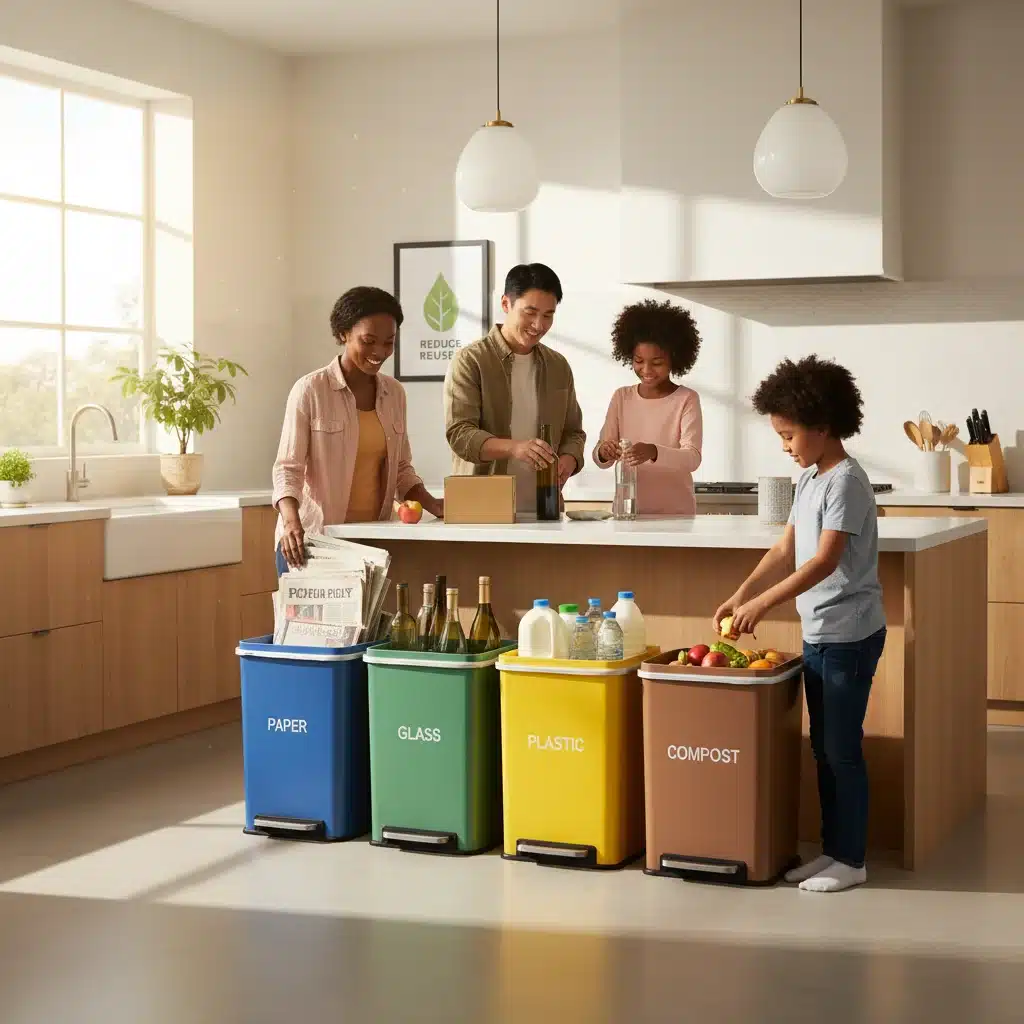
- Dedicated Bins: Invest in or repurpose multiple bins for different categories if your locality moves towards multi-stream recycling or expands accepted materials. Label them clearly.
- Rinse and Dry: Make it a habit to quickly rinse food and beverage containers before placing them in the recycling bin. This simple step significantly reduces contamination.
- Break Down Cardboard: Flatten cardboard boxes to save space in your bin and aid in collection.
- Consider a Compost Bin: If your area doesn’t have municipal composting yet, consider starting a backyard compost bin for food scraps and yard waste. This will significantly reduce your landfill contribution.
Embrace Waste Reduction Strategies
Ultimately, the best way to prepare for new recycling laws is to generate less waste in the first place. The 2026 US recycling laws aim to make recycling more effective, but reducing consumption remains paramount.
- Buy Durable Products: Choose items designed to last, reducing the need for frequent replacements.
- Opt for Reusables: Use reusable bags, water bottles, coffee cups, and food containers.
- Choose Minimal Packaging: Select products with less packaging or packaging made from recycled content and easily recyclable materials.
- Support Brands with EPR: Prioritize companies that are already demonstrating commitment to sustainable packaging and product lifecycle management.
- Repair Before Replacing: Fix broken items instead of immediately discarding them.
By taking these steps now, you’ll not only be ready for the upcoming 2026 US recycling laws but also contribute to a more sustainable lifestyle overall. These changes are an opportunity for all of us to refine our habits and make a greater positive impact.
The Broader Implications: Beyond Your Bin
The impact of the 2026 US recycling laws extends far beyond individual households and their recycling bins. These legislative changes are poised to create a ripple effect across industries, local governments, and the economy at large, driving a more systemic shift towards sustainability.
For Businesses and Manufacturers
- Innovation in Packaging: Companies will be incentivized, and in many cases mandated, to innovate their packaging designs. This means a move away from hard-to-recycle multi-layer plastics towards mono-materials, recycled content, and compostable alternatives.
- Investment in Recycling Infrastructure: EPR schemes will channel significant funds from producers into improving and expanding recycling facilities, leading to more advanced sorting technologies and increased processing capacity.
- Supply Chain Adjustments: Businesses will need to re-evaluate their supply chains to incorporate more recycled materials, creating new markets for post-consumer waste.
- Economic Opportunities: The growth of the recycling sector will create new jobs in collection, sorting, processing, and manufacturing, fostering a green economy.
For Local Governments and Municipalities
- Reduced Financial Burden: EPR programs can significantly alleviate the financial strain on municipalities for waste management services, as producers contribute to the costs.
- Standardization and Efficiency: Federal and state guidelines will help standardize recycling practices, making programs easier to manage and more efficient.
- Improved Data Collection: Better reporting requirements will lead to more accurate data on recycling rates, helping to identify areas for improvement and measure progress.
- Enhanced Public Services: With more funding and clearer mandates, municipalities can offer more comprehensive and accessible recycling and waste diversion programs to their residents.
Environmental Benefits
- Reduced Landfill Waste: A more effective and widespread recycling system will divert millions of tons of waste from landfills, conserving valuable land and reducing methane emissions.
- Lower Greenhouse Gas Emissions: Manufacturing products from recycled materials typically requires less energy than using virgin raw materials, leading to a reduction in greenhouse gas emissions.
- Conservation of Natural Resources: Recycling reduces the demand for new raw materials, thereby conserving forests, minerals, and fossil fuels.
- Less Pollution: Better recycling reduces plastic pollution in oceans and waterways and minimizes the environmental impact of raw material extraction.
These broader implications underscore that the 2026 US recycling laws are not just about individual actions but about fostering a nationwide cultural and industrial shift towards sustainability. Every household’s participation contributes to this larger, transformative goal.
Challenges and Considerations for the Transition
While the intent behind the 2026 US recycling laws is overwhelmingly positive, the transition will not be without its challenges. Understanding these potential hurdles can help manage expectations and encourage resilience during the implementation phase.
Consumer Adaptation
- Learning Curve: Households will need time to adapt to new rules, especially if they involve more detailed sorting or new accepted materials. Extensive public education campaigns will be vital.
- Overcoming ‘Wishcycling’: Changing entrenched habits of ‘wishcycling’ will require consistent communication and clear, unambiguous guidelines.
- Access and Equity: Ensuring that all households, including those in rural areas or low-income communities, have equitable access to new recycling programs and information will be crucial.
Infrastructure and Technology Gaps
- Investment Needs: While EPR will provide funding, the scale of investment required to upgrade and expand recycling infrastructure across the entire nation is substantial.
- Technological Adoption: Implementing advanced sorting and processing technologies will take time and expertise.
- Market for Recycled Materials: For recycling to be truly circular, there must be robust markets for recycled materials. Legislation may need to incentivize the use of recycled content in new products to ensure demand.
Policy Harmonization and Enforcement
- State-to-State Variations: Despite efforts for standardization, some variations in state and local regulations are inevitable, which could still lead to some consumer confusion.
- Enforcement: Effective enforcement mechanisms will be necessary to ensure compliance from both producers and consumers.
- Lobbying and Resistance: Certain industries may resist new regulations, particularly those involving EPR, leading to potential delays or modifications in legislative implementation.
Economic Impacts
- Potential for Increased Costs: While EPR aims to internalize environmental costs, some of these costs might be passed on to consumers in the form of slightly higher product prices. However, these costs are often offset by reduced waste disposal fees and environmental benefits.
- Job Transition: While new jobs will be created in the green economy, there might be shifts in existing waste management jobs, requiring workforce retraining.
Addressing these challenges proactively through robust public education, strategic investment, and collaborative efforts between government, industry, and communities will be essential for the successful implementation of the 2026 US recycling laws. The long-term benefits of a more sustainable waste management system far outweigh these transitional difficulties.
Conclusion: A Sustainable Future Through Collective Action
The impending 2026 US recycling laws mark a pivotal moment in America’s journey towards environmental sustainability. These comprehensive policies are designed to rectify past inefficiencies, standardize practices, and foster a more circular economy where waste is minimized, and valuable resources are continuously reused. For US households, this means a clearer, more impactful, and ultimately more rewarding approach to recycling.
While the changes may require some initial adjustments to our daily routines and a commitment to staying informed, the benefits are profound. By participating actively and correctly in these new recycling initiatives, every household contributes to:
- A Cleaner Environment: Less waste in landfills and oceans, reduced pollution.
- Resource Conservation: Less reliance on virgin materials, protecting natural habitats.
- Economic Growth: New jobs and industries in the green sector.
- A Healthier Future: Mitigating climate change and creating a more sustainable legacy for generations to come.
The success of the 2026 US recycling laws hinges on collective action. It’s a shared responsibility between legislators, manufacturers, municipalities, and, most importantly, individual citizens. By embracing the principles of reduce, reuse, and recycle with renewed vigor and understanding the specifics of the new regulations, we can collectively build a more sustainable and resilient future for the United States.
Start preparing today by auditing your current habits, optimizing your home recycling system, and staying connected with your local waste management resources. January 2026 isn’t just a date; it’s the beginning of a new chapter in environmental stewardship. Let’s make it a successful one, together.