Sustainable Gardening 2026: Boost Yields 20% with Water-Saving Techniques
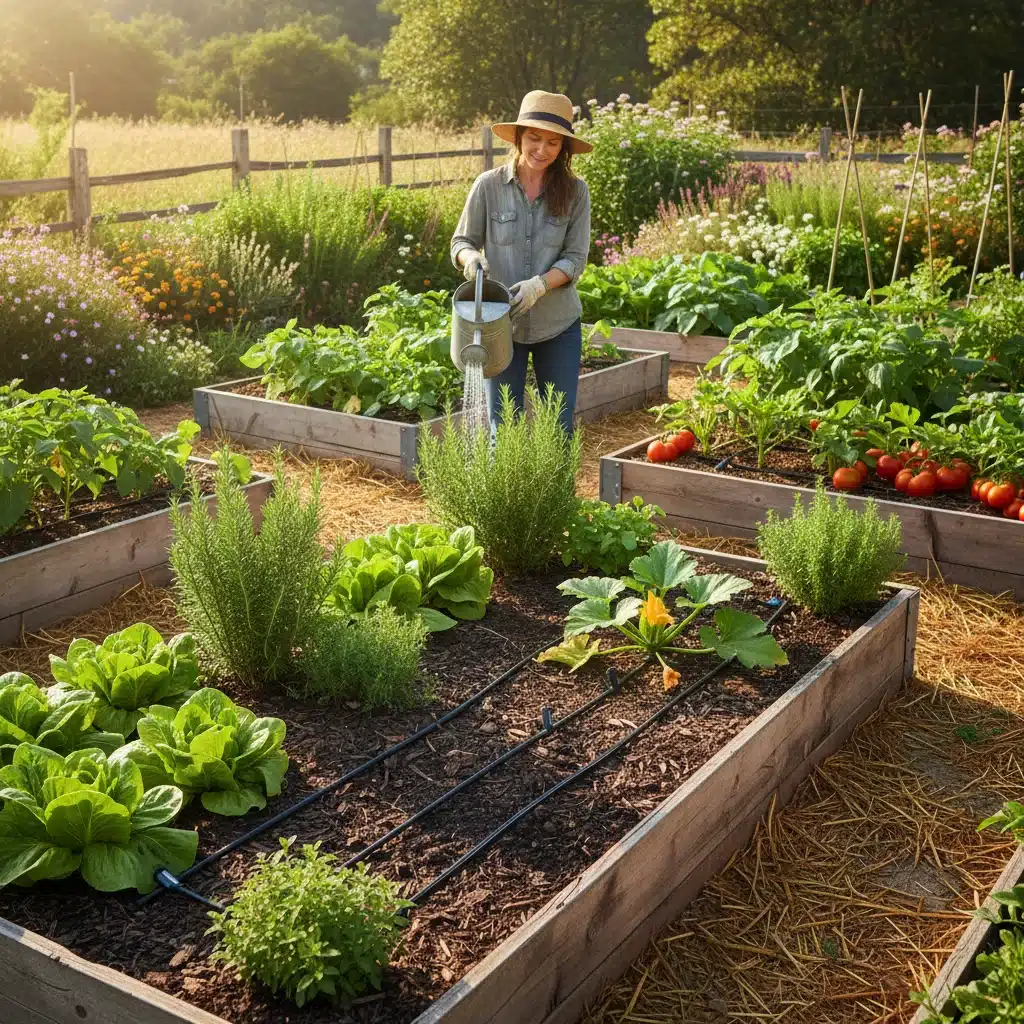
Sustainable Gardening for 2026: Increase Your Yield by 20% with Water-Saving Techniques
As we step further into the 21st century, the imperative for sustainable gardening techniques becomes clearer than ever. Climate change, water scarcity, and the growing demand for fresh, healthy produce compel us to rethink our approach to cultivation. For 2026 and beyond, the focus isn’t just on growing food, but on growing it smarter, more efficiently, and with a profound respect for our planet’s finite resources. This comprehensive guide will delve into advanced sustainable gardening techniques designed not only to conserve water but also to dramatically increase your garden’s yield by up to 20%.
Imagine a garden that thrives with less water, produces more food, and contributes positively to the environment. This isn’t a distant dream; it’s an achievable reality with the right knowledge and application of modern sustainable gardening techniques. From innovative irrigation systems to ancient wisdom revitalized, we’ll explore actionable strategies that every gardener, regardless of experience, can implement.
The Urgent Need for Water-Saving Sustainable Gardening Techniques
Water is the lifeblood of any garden, yet it’s also a resource under increasing strain. Droughts are becoming more frequent and severe in many regions, making traditional watering methods unsustainable. The good news is that advancements in sustainable gardening techniques offer powerful solutions. By adopting these methods, we can significantly reduce our water footprint, ensure the long-term health of our gardens, and contribute to broader environmental conservation efforts. This isn’t just about being eco-friendly; it’s about smart resource management that directly impacts your garden’s productivity and resilience.
The goal of increasing yield by 20% while conserving water might seem ambitious, but it’s entirely attainable through a synergistic approach. We’ll examine how optimizing soil health, choosing the right plants, and implementing precise irrigation can work together to create a highly productive and water-efficient garden. Embracing sustainable gardening techniques means moving beyond conventional practices and adopting a holistic view of your garden as an ecosystem.
Mastering Soil Health: The Foundation of Water-Wise Gardening
At the heart of all effective sustainable gardening techniques lies healthy soil. Rich, living soil acts like a sponge, capable of holding vast amounts of water and nutrients, making it less dependent on frequent irrigation. Conversely, compacted, nutrient-poor soil lets water run off, leading to waste and thirsty plants.
Composting: Gold for Your Garden
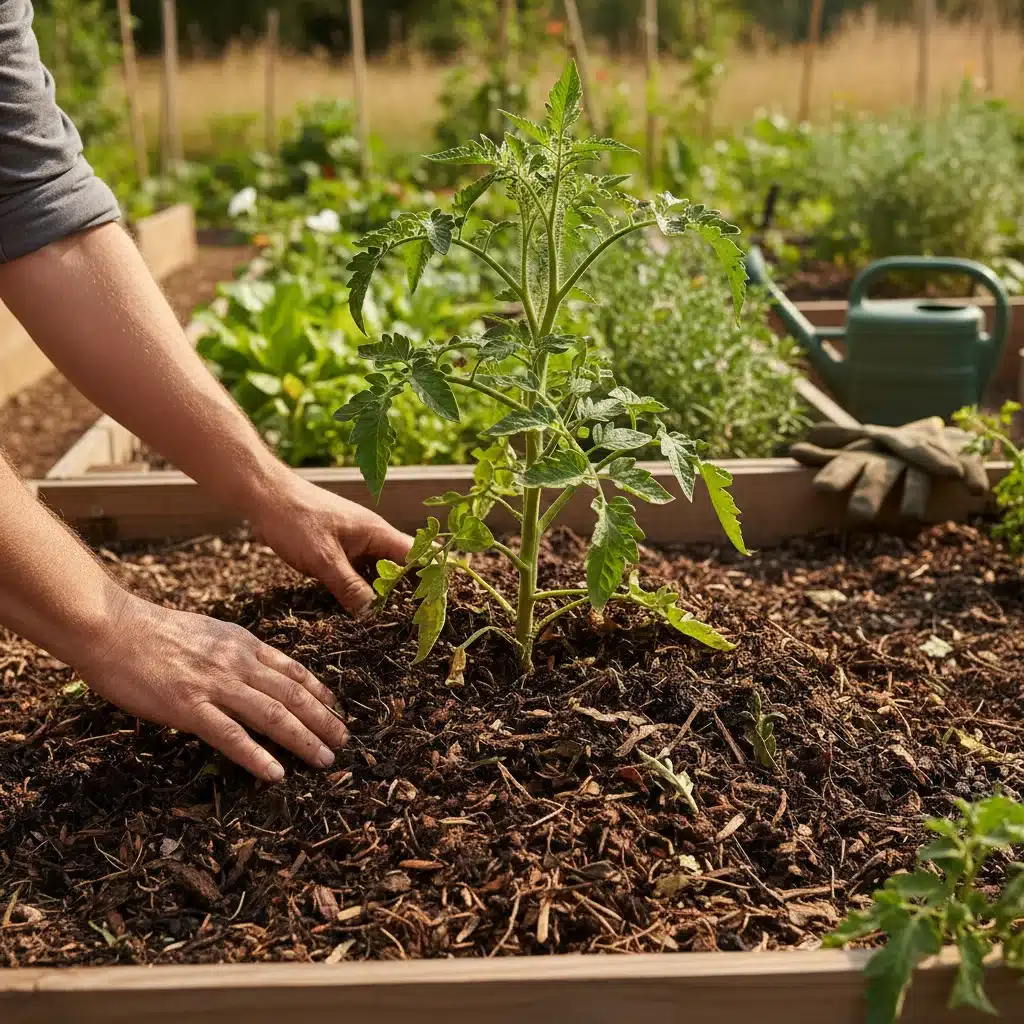
Compost is undoubtedly one of the most powerful tools in your sustainable gardening techniques arsenal. Integrating well-rotted compost into your garden beds dramatically improves soil structure, enhancing its water retention capacity and aeration. For every 1% increase in soil organic matter, the soil can hold an additional 20,000 gallons of water per acre. This directly translates to less frequent watering and healthier plants.
- How to start: Begin a simple compost pile or bin with kitchen scraps, yard waste, and shredded paper.
- Application: Work compost into new beds, and top-dress existing plants annually.
- Benefits: Improved water retention, nutrient supply, beneficial microbial activity, and reduced need for synthetic fertilizers.
No-Till Gardening: Preserving Soil Structure
Tilling, while seemingly beneficial, can disrupt the intricate network of fungi and microbes that contribute to healthy soil structure. No-till or minimum-till sustainable gardening techniques preserve this vital ecosystem, allowing the soil to build a natural, sponge-like consistency that readily absorbs and retains water. This approach also reduces soil erosion and compaction.
- Method: Instead of tilling, add layers of organic matter (compost, leaves) directly to the soil surface.
- Advantages: Enhanced soil structure, increased organic matter, reduced water runoff, and less disturbance to beneficial organisms.
Cover Cropping: Nature’s Soil Protector
Planting cover crops during off-seasons is another excellent sustainable gardening technique. Cover crops protect bare soil from erosion, suppress weeds, add organic matter when tilled in (if you do minimal tilling), and improve soil structure. Some cover crops, like legumes, also fix nitrogen, enriching the soil naturally.
- Popular choices: Clover, vetch, rye, and buckwheat.
- Impact: Prevents nutrient leaching, improves water infiltration, and adds biomass.
Smart Irrigation Systems: Precision Watering for Maximum Efficiency
The days of indiscriminate overhead watering are rapidly fading. Modern sustainable gardening techniques prioritize precise, targeted irrigation that delivers water directly to the plant roots, minimizing evaporation and runoff. This is where smart irrigation truly shines.
Drip Irrigation: The Gold Standard
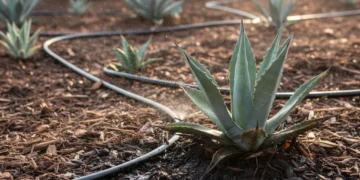
Drip irrigation systems are perhaps the most efficient water delivery method for gardens. They consist of a network of tubes and emitters that slowly release water directly to the plant’s root zone. This method can reduce water usage by 30-50% compared to traditional sprinklers.
- Installation: Relatively easy to set up for raised beds, row crops, and individual plants.
- Benefits: Highly efficient water use, reduced weed growth (as water isn’t broadcast), lower disease incidence (leaves stay dry), and consistent moisture levels.
Soaker Hoses: A Simpler Alternative
For gardeners seeking a simpler, less expensive alternative to drip systems, soaker hoses are an excellent choice. These porous hoses weep water along their entire length, delivering it directly to the soil surface. While not as precise as drip irrigation, they are far more efficient than overhead watering.
- Placement: Lay soaker hoses along rows or around plants, ideally under mulch.
- Maintenance: Periodically check for kinks or blockages.
Smart Controllers and Sensors
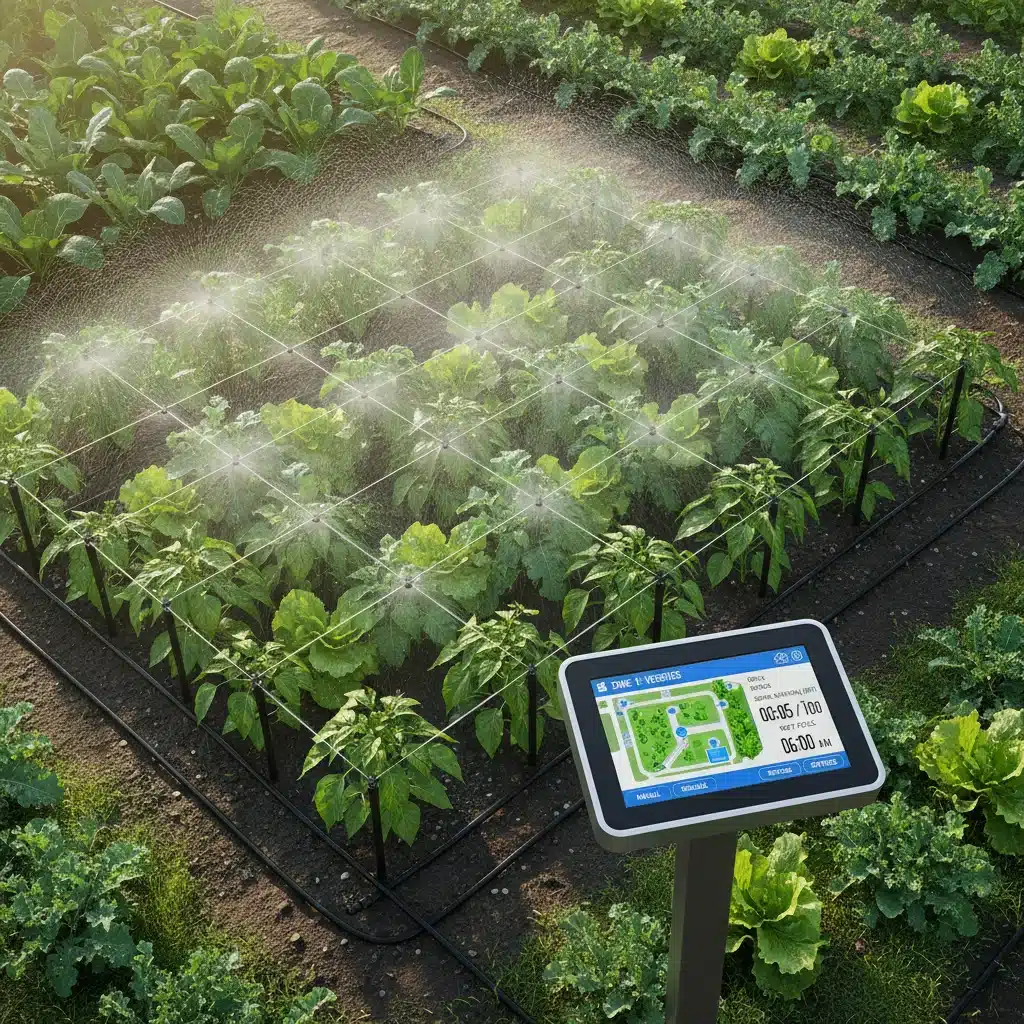
Taking irrigation efficiency to the next level, smart irrigation controllers use local weather data, soil moisture sensors, and plant-specific needs to automatically adjust watering schedules. These systems can prevent overwatering during rainy periods and ensure your plants receive adequate moisture during dry spells, embodying the pinnacle of sustainable gardening techniques.
- Features: Wi-Fi connectivity, app control, weather-based adjustments, and soil moisture monitoring.
- Return on Investment: Significant water savings often offset the initial cost over time.
Mulching: The Unsung Hero of Water Conservation
Mulch is an indispensable component of any water-wise garden and a fundamental sustainable gardening technique. A layer of organic or inorganic material spread over the soil surface offers a multitude of benefits, primarily conserving soil moisture.
Organic Mulches: Double the Benefits
Organic mulches like wood chips, straw, shredded leaves, and compost not only suppress weeds and moderate soil temperature but also slowly break down, enriching the soil with organic matter. This further enhances the soil’s water-holding capacity.
- Application: Apply a 2-4 inch layer around plants, keeping it a few inches away from stems to prevent rot.
- Replenishment: Replenish as needed, typically once or twice a year.
Inorganic Mulches: Durability and Heat Retention
Inorganic mulches such as gravel, pebbles, or landscape fabric can be suitable for certain applications, especially in arid climates or around plants that prefer drier conditions. While they don’t add organic matter, they are excellent at suppressing weeds and retaining soil moisture.
- Considerations: Can absorb and radiate heat, which might not be ideal for all plants.
- Use cases: Rock gardens, pathways, or around drought-tolerant perennials.
Choosing Drought-Resistant Plants: Working with Nature
One of the simplest yet most effective sustainable gardening techniques is to select plants that are naturally adapted to your local climate and require less water. Xeriscaping principles, which focus on water-wise landscaping, are highly relevant here.
Native Plants: Local Champions
Native plants are perfectly suited to the rainfall patterns and soil conditions of your region, requiring minimal supplemental irrigation once established. They also support local wildlife and pollinators, contributing to biodiversity.
- Research: Consult local nurseries or extension offices for lists of native plants suitable for your area.
- Benefits: Low water needs, pest resistance, and ecological support.
Xeriscaping Principles for Edibles
While often associated with ornamental landscapes, xeriscaping principles can be applied to edible gardens too. Many herbs, certain vegetables (e.g., some varieties of tomatoes, peppers, squash), and fruit trees are surprisingly drought-tolerant.
- Examples: Rosemary, lavender, thyme, oregano, certain beans, corn, and sunflowers.
- Strategy: Group plants with similar water needs together to optimize irrigation.
Rainwater Harvesting: Capturing Every Drop
Rainwater harvesting is a time-honored sustainable gardening technique that captures precipitation for later use. This reduces reliance on municipal water sources and provides plants with naturally soft, chlorine-free water.
Rain Barrels: Entry-Level Harvesting
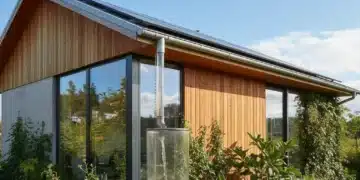
Rain barrels are an easy and affordable way to start harvesting rainwater. Connected to downspouts, they collect runoff from your roof, providing a ready supply of water for container plants, raised beds, or even topping off ponds.
- Installation: Simple connection to a downspout with a diverter kit.
- Capacity: Typically 50-100 gallons, but multiple barrels can be linked.
Larger Systems: Cisterns and Swales
For more ambitious gardeners, larger cisterns can store hundreds or even thousands of gallons of rainwater. Passive rainwater harvesting, through the creation of swales (shallow ditches on contour), can direct and slow water flow, allowing it to percolate into the soil over a larger area, benefiting entire garden zones.
- Cisterns: Ideal for larger properties or those with significant irrigation needs.
- Swales: Excellent for landscape design that integrates water management and erosion control.
Advanced Water-Saving Sustainable Gardening Techniques for 2026
Beyond the foundational methods, several advanced sustainable gardening techniques are gaining traction, promising even greater efficiency and yield increases.
Wicking Beds: Self-Watering Wonders
Wicking beds are raised garden beds with a built-in water reservoir at the bottom. Water is drawn up into the soil by capillary action (wicking), providing a consistent moisture supply to plant roots. This eliminates the need for frequent top-down watering and significantly reduces evaporation.
- Construction: Involves a waterproof liner, a gravel or pipe reservoir, and an overflow pipe.
- Advantages: Extremely water-efficient, less frequent watering, and consistent soil moisture.
Hugelkultur: Building Water-Retaining Mounds
Hugelkultur involves building raised garden beds from decaying wood and other organic materials. The decaying wood acts like a sponge, soaking up and retaining water, releasing it slowly to plants during dry periods. This method also provides long-term fertility as the wood breaks down.
- Materials: Logs, branches, leaves, grass clippings, and soil.
- Benefits: Excellent water retention, improved drainage, extended growing season (due to heat from decomposition), and rich soil.
Permaculture Design Principles: Holistic Water Management
Permaculture, a design philosophy for sustainable living, offers a holistic framework for water management in the garden. It emphasizes observing natural patterns, creating closed-loop systems, and minimizing waste. Key permaculture sustainable gardening techniques for water include:
- Zoning: Placing water-intensive plants closest to the water source.
- Catchment: Designing landscapes to catch and store water on-site.
- Guilds: Planting mutually beneficial species together to create mini-ecosystems that share resources efficiently.
Integrating Technology for Enhanced Efficiency
The convergence of gardening with technology offers unprecedented opportunities to optimize water usage and maximize yields. These aren’t just gadgets; they are tools that empower gardeners to make data-driven decisions, pushing the boundaries of sustainable gardening techniques.
Soil Moisture Sensors
Beyond smart irrigation controllers, individual soil moisture sensors can provide real-time data on the moisture levels at different depths and locations in your garden. This allows for hyper-localized watering, ensuring each plant receives exactly what it needs.
- Data-driven: Connects to apps for detailed moisture readings and trends.
- Preventative: Helps avoid both overwatering and underwatering.
Automated Venting and Shading Systems
For greenhouse or hoop house growers, automated systems that manage ventilation and shading can play a crucial role in water conservation. By regulating temperature and humidity, these systems reduce transpiration rates, meaning plants lose less water through their leaves.
- Microclimate Control: Creates optimal growing conditions, reducing plant stress.
- Energy Efficiency: Often linked with energy-saving measures.
The Economic and Environmental Benefits of Sustainable Gardening Techniques
Adopting these sustainable gardening techniques isn’t just good for the environment; it’s also good for your wallet and your harvest. The initial investment in some systems, like drip irrigation or smart controllers, is often recouped through significant savings on water bills and increased productivity.
Reduced Water Bills
This is perhaps the most direct economic benefit. By using water more efficiently, you’ll see a noticeable reduction in your water consumption and associated costs.
Higher Yields and Quality
Healthy soil, consistent moisture, and reduced plant stress lead to more robust plants, higher yields, and often, better-quality produce. A 20% increase in yield means more food for your family, more to share, or even more to sell.
Enhanced Soil Health and Longevity
Focusing on soil health through composting, mulching, and no-till practices creates a resilient and fertile growing medium that will continue to produce for years to come, reducing the need for costly amendments and chemical inputs.
Pest and Disease Resistance
Healthy plants grown in healthy soil with appropriate watering are naturally more resistant to pests and diseases, further reducing the need for chemical interventions and ensuring a more natural harvest.
Environmental Stewardship
Beyond the personal benefits, adopting sustainable gardening techniques contributes to broader environmental health. You’ll be conserving a precious resource, reducing runoff pollution, supporting biodiversity, and lessening your carbon footprint.
Getting Started with Your Sustainable Garden in 2026
Embarking on the journey of implementing sustainable gardening techniques can feel overwhelming, but it doesn’t have to be. Start small, experiment, and build on your successes.
- Assess Your Current Garden: Understand your soil type, sun exposure, and current watering habits.
- Prioritize: Choose one or two water-saving techniques to implement first, such as mulching or installing a rain barrel.
- Educate Yourself: Continuously learn from local resources, gardening communities, and online guides.
- Monitor and Adjust: Pay attention to how your plants respond and be prepared to adapt your strategies.
- Embrace the Process: Sustainable gardening is a continuous learning process. Enjoy the journey of creating a more resilient and productive garden.
Conclusion: Cultivating a Greener Future
The future of gardening is sustainable, efficient, and deeply connected to our planet’s well-being. By embracing the sustainable gardening techniques outlined in this guide, you are not just growing food; you are cultivating a more resilient future. The goal of increasing your yield by 20% while significantly reducing water consumption is not just a metric; it’s a testament to the power of thoughtful, environmentally conscious gardening. As 2026 unfolds, let your garden be a beacon of sustainability, demonstrating that abundance and conservation can indeed go hand in hand. Start today, and watch your garden, and your commitment to the planet, flourish.