Crafting a 3-Month Intergenerational Mentorship Program for US Neighborhoods
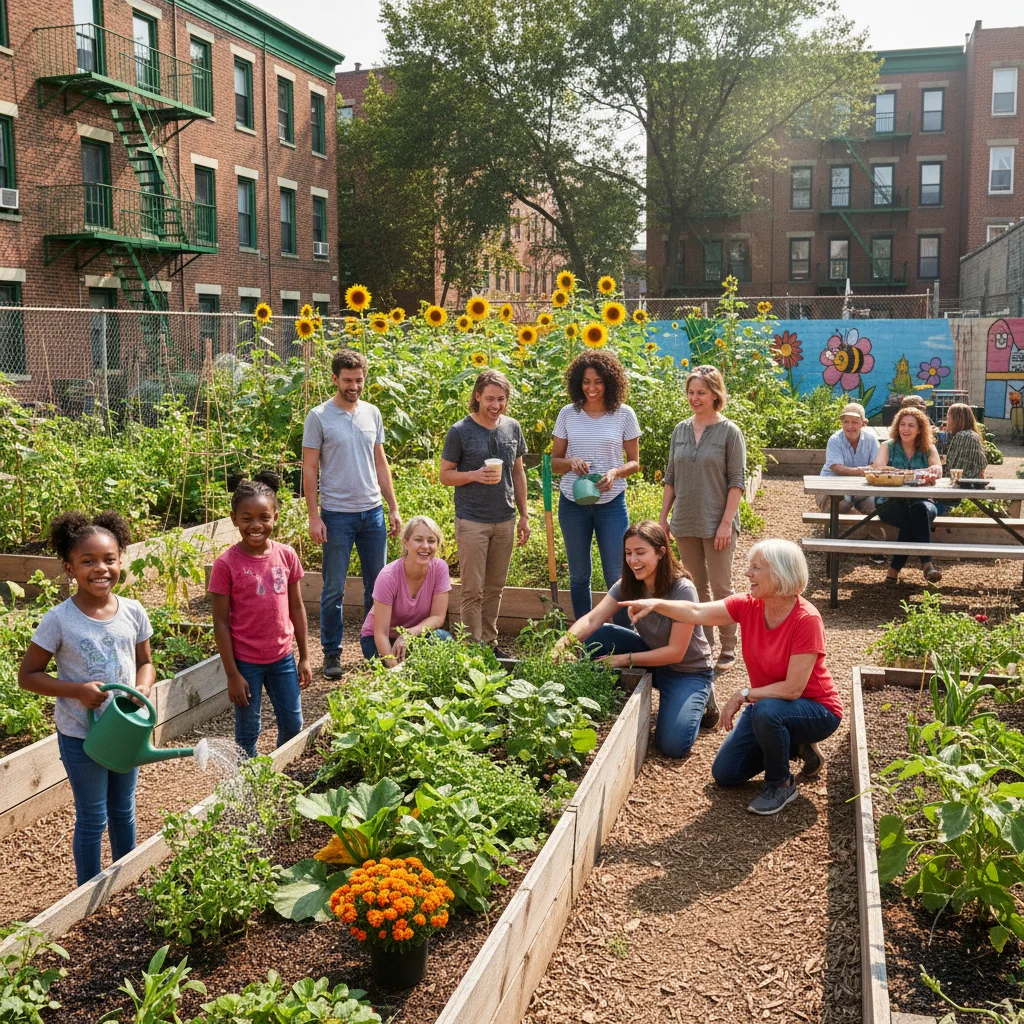
In an increasingly disconnected world, the power of community, especially one that bridges generational divides, has never been more critical. The wisdom of elders, coupled with the fresh perspectives and boundless energy of youth, creates a potent synergy capable of transforming neighborhoods. This article delves into a comprehensive 3-month model for an intergenerational mentorship program specifically designed for US neighborhoods in 2026, aiming to foster meaningful connections, facilitate knowledge transfer, and build resilient, vibrant communities.
An intergenerational mentorship program is more than just pairing an older person with a younger one; it’s about creating a structured environment where mutual learning, respect, and support can flourish. It addresses various societal challenges, from youth engagement and skill development to senior isolation and the preservation of local history and traditions. By strategically planning and executing such a program, communities can unlock a wealth of untapped potential.
The Vision: Why an Intergenerational Mentorship Program Matters
The concept of an intergenerational mentorship program is rooted in the understanding that every age group possesses unique strengths and experiences that can benefit others. For younger participants, mentorship offers guidance, skill development, increased self-esteem, and exposure to diverse career paths. For older adults, it provides a sense of purpose, reduces feelings of isolation, and allows them to share their invaluable life lessons and expertise. For the community as a whole, it strengthens social cohesion, promotes empathy, and creates a supportive network that can tackle local challenges more effectively.
Consider the evolving landscape of US neighborhoods. Many face challenges such as an aging population, youth disengagement, and a decline in traditional community gathering spaces. An intergenerational mentorship program acts as a powerful antidote, creating new avenues for interaction and collaboration. It’s an investment in human capital, forging bonds that transcend age and background, and ultimately contributing to a more harmonious and prosperous community.
Phase 1: Foundation and Recruitment (Month 1)
Defining Program Goals and Objectives
The first step in establishing a successful intergenerational mentorship program is to clearly define its goals and objectives. What specific outcomes do you hope to achieve? Examples might include:
- Enhancing life skills and academic performance in youth.
- Reducing social isolation among seniors.
- Facilitating the transfer of vocational or traditional skills.
- Promoting cross-cultural understanding within the neighborhood.
- Developing a stronger sense of community pride and engagement.
These goals should be SMART: Specific, Measurable, Achievable, Relevant, and Time-bound. For instance, a measurable goal could be: “By the end of the 3-month program, 75% of youth participants will report an increase in confidence regarding their career aspirations.”
Building a Core Team and Partnerships
No successful community program operates in a vacuum. Assemble a dedicated core team comprising community leaders, educators, social workers, and enthusiastic volunteers. Seek partnerships with local organizations such as:
- Schools and youth centers
- Senior centers and retirement communities
- Libraries
- Local businesses (for funding, resources, or event spaces)
- Religious institutions
- Community development corporations
These partnerships will provide essential resources, access to potential participants, and invaluable expertise, making your intergenerational mentorship program more robust and sustainable.
Recruitment Strategies for Mentors and Mentees
Recruitment is paramount. For mentors (typically older adults), highlight the opportunity to share wisdom, gain a sense of purpose, and contribute to the next generation. Emphasize the structured support and training provided. Recruitment channels can include:
- Senior centers, community centers, and faith-based organizations.
- Local newspapers, community newsletters, and online forums.
- Word-of-mouth through existing community networks.
- Presentations at local clubs and associations.
For mentees (typically youth, though the age range can be flexible), focus on the benefits of personal growth, skill development, and having a supportive adult figure. Recruitment channels include:
- Schools, after-school programs, and youth organizations.
- Social media campaigns targeting local youth.
- Community events and festivals.
- Referrals from teachers, counselors, and community leaders.
Develop clear application forms that gather relevant information about interests, availability, expectations, and any specific skills or needs. Background checks for all mentors are non-negotiable to ensure the safety and well-being of all participants.
Designing the Curriculum and Activities Framework
The curriculum should be flexible yet structured, offering a blend of individual mentorship and group activities. Consider themes that resonate with both age groups. Examples include:
- Skill-sharing workshops: Digital literacy (youth teaching seniors), traditional crafts (seniors teaching youth), cooking, gardening, financial literacy.
- Storytelling and oral history projects: Mentees interview mentors about their life experiences, local history, or family traditions, potentially culminating in a published collection or public presentation.
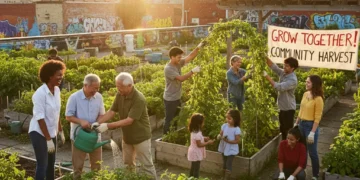
- Community service projects: Working together on a neighborhood clean-up, creating a community garden, or organizing a food drive.
- Cultural exchange activities: Sharing music, art, or traditions from different generations or cultural backgrounds.
The framework should allow for individual mentor-mentee pairing time, as well as regular group sessions to foster a broader sense of community within the program. Think about a mix of formal learning and informal social interaction.
Phase 2: Implementation and Engagement (Month 2)
Mentor and Mentee Orientation and Training
Before any pairings occur, both mentors and mentees need comprehensive orientation. This session should:
- Clearly outline program expectations, roles, and responsibilities.
- Provide guidelines on effective communication and active listening.
- Address potential challenges and conflict resolution strategies.
- Emphasize the importance of confidentiality and respect.
- For mentors, include training on child protection policies and boundaries.
- For mentees, discuss how to make the most of the mentorship opportunity.
Consider offering a brief workshop on goal setting for mentees and coaching skills for mentors. This initial training sets the stage for a positive and productive mentorship experience.
Careful Matching and Initial Introductions
Matching is arguably the most crucial step. Use the information gathered in the application forms to create thoughtful pairings based on shared interests, desired skills, personality traits, and geographical proximity. While algorithms can assist, a human touch is often best for nuanced considerations.
Facilitate the first meeting in a neutral, public setting, perhaps as part of a larger group kick-off event. Provide icebreakers and structured activities to ease initial awkwardness. A program coordinator should be present to observe and offer support.

Structured Activities and Regular Check-ins
During Month 2, the core activities of the intergenerational mentorship program will be in full swing. Implement the planned workshops, community projects, and individual meetings. Encourage mentors and mentees to set personal goals together and work towards them.
Regular check-ins by program coordinators are essential. These can be weekly or bi-weekly, individual or group, and serve to:
- Monitor the progress of each pairing.
- Address any issues or concerns promptly.
- Provide ongoing support and resources.
- Gather feedback to adapt and improve the program.
- Celebrate small successes and milestones.
Maintain open lines of communication through various channels – email, phone, and a dedicated messaging app for program participants if appropriate.
Fostering a Sense of Community and Belonging
Beyond individual pairings, cultivate a broader sense of community within the program. Organize regular group events that bring all mentors and mentees together. These could be:
- Potlucks or shared meals.
- Joint field trips to local museums, parks, or historical sites.
- Workshops on topics of general interest (e.g., public speaking, healthy eating).
- Celebratory gatherings for holidays or program milestones.
These collective experiences reinforce the idea that everyone is part of a larger supportive network, enriching the overall intergenerational mentorship program experience.
Phase 3: Evaluation and Sustainability (Month 3)
Mid-Program Review and Adjustments
At the beginning of Month 3, conduct a thorough mid-program review. This involves:
- Collecting feedback from all participants (mentors, mentees, and coordinators) through surveys, focus groups, or one-on-one interviews.
- Assessing whether the initial program goals are being met.
- Identifying any challenges or areas for improvement.
- Making necessary adjustments to activities, schedules, or support systems.
This iterative process ensures the intergenerational mentorship program remains responsive to the needs of its participants and maximizes its impact.
Culminating Event and Recognition
A culminating event is a powerful way to celebrate the achievements of the intergenerational mentorship program. This could be:
- A graduation ceremony where certificates are awarded.
- A talent show or exhibition showcasing skills learned.
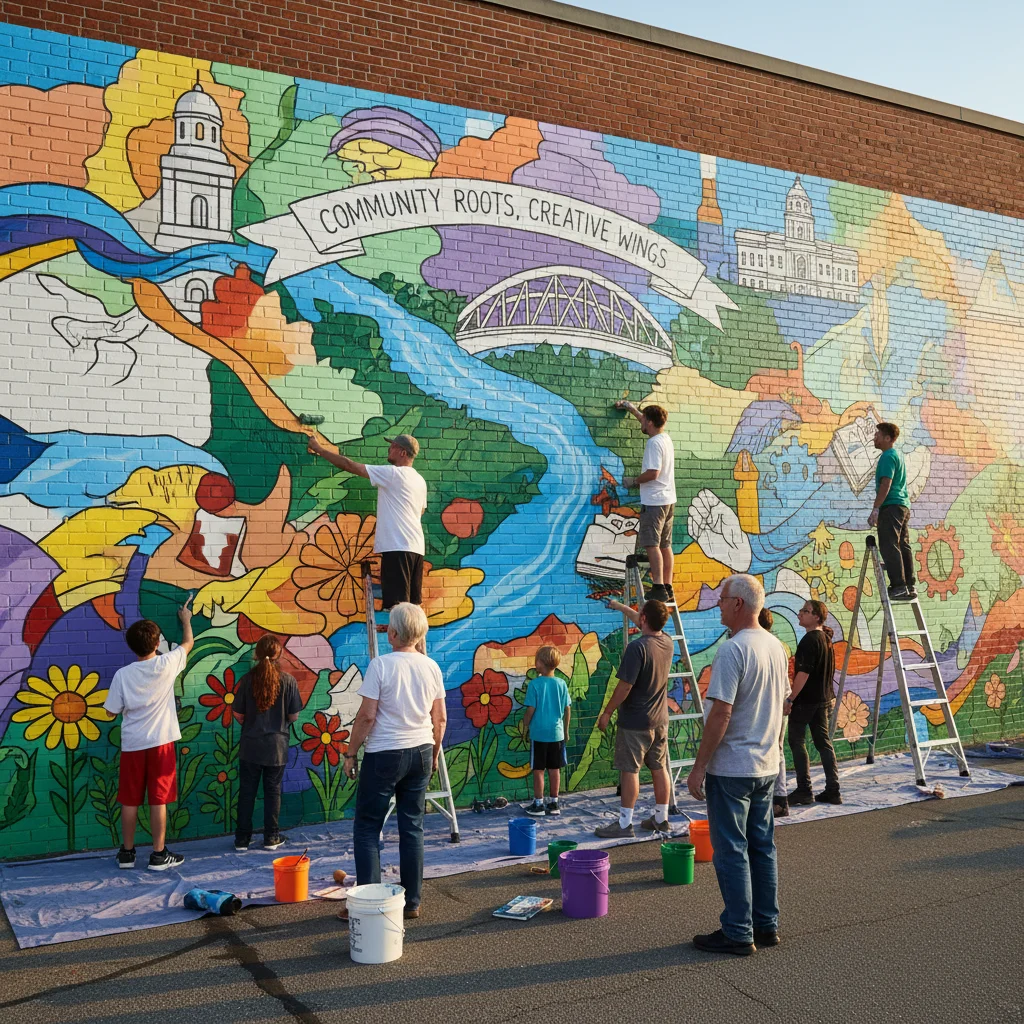
- A community fair where participants present their joint projects.
- A storytelling event where mentors and mentees share their experiences.
Publicly acknowledge the contributions of all participants, volunteers, and partners. Invite local dignitaries, community members, and family to witness the success of the program. This recognition is vital for boosting morale, demonstrating impact, and attracting future support.
Measuring Impact and Gathering Testimonials
Beyond anecdotal evidence, systematically measure the impact of your intergenerational mentorship program. Use pre- and post-program surveys to assess changes in:
- Mentee academic performance, self-esteem, and future aspirations.
- Mentor sense of purpose, social connection, and overall well-being.
- Community engagement and intergenerational understanding.
Collect compelling testimonials from participants. These personal stories are invaluable for showcasing the human impact of the program and for future fundraising and recruitment efforts. Quantifiable data combined with qualitative narratives provides a comprehensive picture of success.
Planning for Future Iterations and Sustainability
A 3-month program can be a fantastic starting point, but true community transformation often requires sustained effort. Begin planning for the next iteration of your intergenerational mentorship program even before the current one concludes. Consider:
- Funding: Explore grants, corporate sponsorships, and community fundraising initiatives.
- Volunteer Recruitment: Encourage current successful mentors to become advocates or trainers for new mentors.
- Program Evolution: Based on feedback, what aspects can be improved or expanded? Should the program duration be extended for some pairings?
- Alumni Network: Create a network for past participants to stay connected and potentially serve as peer mentors or program ambassadors.
Building a sustainable model ensures that the positive impact of the intergenerational mentorship program continues to ripple through the neighborhood for years to come.
Key Considerations for Success
Flexibility and Adaptability
While a structured model is essential, be prepared to be flexible. Every neighborhood is unique, and unexpected challenges will arise. The ability to adapt to participant needs, community dynamics, and unforeseen circumstances is crucial for the success of any intergenerational mentorship program.
Safety and Safeguarding
The safety and well-being of all participants, especially youth, must be the top priority. This includes:
- Thorough background checks for all mentors and volunteers.
- Clear policies on appropriate interactions and boundaries.
- Designated safe meeting spaces.
- A clear reporting mechanism for any concerns.
- Mandatory training on safeguarding for all staff and mentors.
Cultural Competency and Inclusivity
US neighborhoods are incredibly diverse. Ensure your intergenerational mentorship program is culturally competent and inclusive. This means:
- Recruiting a diverse pool of mentors and mentees that reflects the community’s demographics.
- Incorporating activities that celebrate different cultures and traditions.
- Being mindful of language barriers and providing support where needed.
- Training staff and mentors on cultural sensitivity.
Effective Communication
Clear, consistent, and open communication is the bedrock of any successful program. This applies to communication between coordinators and participants, mentors and mentees, and the program with the broader community. Regular updates, newsletters, and accessible contact points are vital.
Conclusion
An intergenerational mentorship program offers a powerful framework for strengthening community bonds, fostering personal growth, and preserving invaluable wisdom. By following this 3-month model – from careful planning and recruitment to engaged implementation and thorough evaluation – US neighborhoods can cultivate vibrant, supportive environments where every generation thrives. The investment in these connections yields dividends far beyond the program’s duration, creating a legacy of empathy, understanding, and shared purpose that enriches the entire community for years to come. Begin today to build these bridges and watch your neighborhood flourish.